
What to Look for in New Luxury Homes for Sale


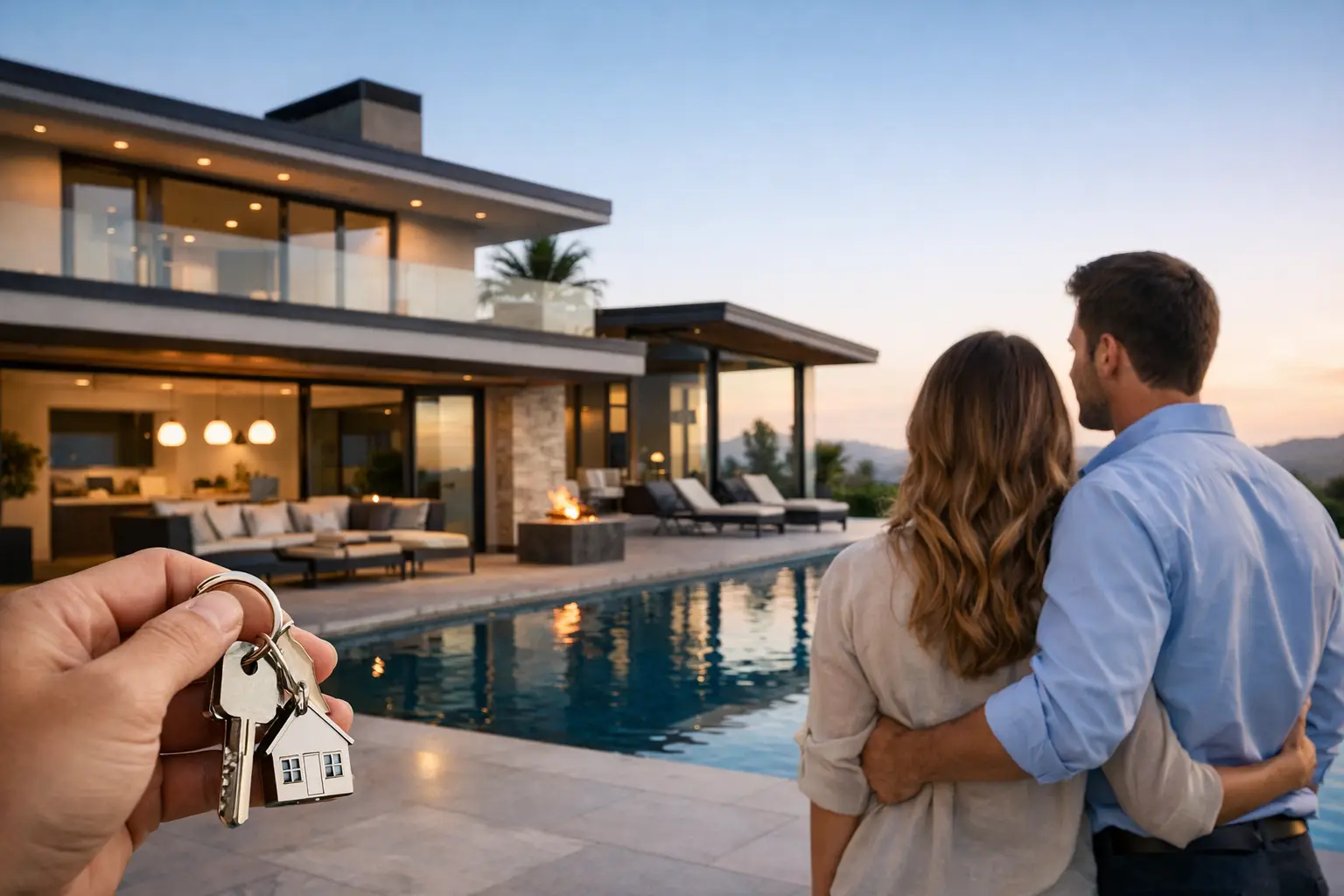
A luxury home can photograph beautifully and still miss the mark where it counts. The kitchen may impress at first glance, the ceilings may soar, and the finishes may look current, but true value shows up in the details buyers live with every day. When evaluating new luxury homes for sale, the real question is not simply whether a home looks expensive. It is whether it was designed, built, and positioned to hold up as a lifestyle investment.
For buyers in the North Atlanta market, that distinction matters. A newly built home should deliver more than freshness and curb appeal. It should offer architectural clarity, quality construction, efficient systems, and a layout that supports the way high-performing households actually live.
Why new luxury homes for sale attract serious buyers
There is a reason many move-up buyers and executives are narrowing their search to new construction. A newly built luxury home offers a level of predictability that older resale properties often cannot. Materials are current, major systems are under warranty, and the floor plan usually reflects how families entertain, work, and recharge now rather than how they did twenty years ago.
That said, not every new home is equal just because it is new. In the luxury category, buyers should expect more than upgraded countertops and a larger footprint. The home should feel cohesive from the exterior architecture to the final trim detail. It should also reduce friction, whether that means better storage, more natural light, stronger indoor-outdoor flow, or a more thoughtful separation between private and shared spaces.
Start with architecture, not just finishes
Many buyers begin with the finish package because it is the most visible part of a home. Marble surfaces, wide-plank hardwoods, designer lighting, and statement appliances all matter. But finishes are easier to change than the bones of the house.
A stronger place to start is architecture. Look at the proportions of the home, the roofline, the window placement, and the relationship between the front elevation and the interior layout. A well-designed luxury home should feel intentional, not oversized for its lot or crowded by unnecessary features.
Inside, the architecture should support both comfort and presence. Ceiling heights should make rooms feel open without becoming cold or echo-heavy. Sightlines should create a sense of arrival. Hallways should serve a purpose rather than consume square footage. In the best new luxury homes for sale, you can feel that the plan was developed for livability, not just for listing photos.
The floor plan should reflect real routines
An impressive floor plan is not always the most complicated one. In many cases, the strongest luxury plans are the ones that make daily life easier. That may mean a main-level primary suite, a scullery or prep kitchen, a private office with good light, or a mudroom that actually handles family traffic.
If you entertain often, pay attention to how the kitchen connects to living and outdoor spaces. If you work from home, noise separation matters. If you host overnight guests or have multigenerational needs, the placement of secondary bedrooms becomes more important than total bedroom count.
There is always a trade-off. A dramatic open-concept layout can feel expansive, but some households prefer more defined rooms for privacy and acoustics. A large lot offers breathing room, but often comes with more maintenance. Luxury means choice, but smart buying means choosing the home that fits your patterns rather than chasing every possible feature.
Builder quality shows up where buyers often forget to look
A luxury home should be beautiful. It should also be well executed behind the walls and beneath the surface. Buyers often focus on visible selections while overlooking the construction standards that affect durability, comfort, and future maintenance.
Pay close attention to craftsmanship. Trim alignment, cabinet installation, flooring transitions, paint consistency, tile layout, and door operation reveal a lot about the builder's standards. If the visible work is rushed, it is fair to ask what may have happened in less visible areas.
Mechanical systems matter just as much. HVAC design, insulation performance, window quality, and ventilation all shape how the home lives over time. A properly built luxury residence should maintain comfort evenly, manage humidity effectively, and operate with a level of quiet efficiency that feels refined.
This is where builder transparency becomes valuable. Serious buyers should expect clear information about materials, systems, allowances, and warranty coverage. Confidence does not come from marketing language alone. It comes from a builder who can explain how the home was put together and why specific choices were made.
Premium finishes should feel curated, not crowded
High-end finishes are part of the appeal, but more is not always better. In luxury construction, restraint often reads as more sophisticated than excess.
Look for a finish palette that feels consistent throughout the home. Hardware, lighting, flooring, cabinetry, and stone selections should work together rather than compete for attention. The best homes create visual interest through texture, proportion, and contrast, not by stacking trend on top of trend.
The same principle applies to specialty spaces. A wine room, media room, or spa-like bath can add real lifestyle value, but only if it is integrated naturally into the home. Features that feel forced may not age well, especially if they were added to create a luxury label rather than serve the buyer.
Location still shapes luxury value
Even at the high end, location carries lasting weight. Buyers searching for new construction are not only purchasing a home. They are buying into convenience, privacy, school access, commute patterns, and long-term market desirability.
In areas like Forsyth County and the broader North Atlanta market, location decisions often come down to lifestyle priorities. Some buyers want proximity to the lake, others prioritize access to business corridors, and many want a quieter residential setting without giving up dining, retail, and everyday convenience.
This is where local expertise matters. A beautiful home in the wrong pocket may not deliver the same experience or resale strength as a similarly priced home in a better-positioned community. The lot itself also deserves scrutiny. Grade, privacy, tree coverage, backyard usability, and neighboring home quality all influence both enjoyment and value.
Move-in-ready convenience versus custom flexibility
One of the biggest decisions buyers face is whether to purchase a completed home or pursue a custom build. Both can be excellent paths, but they serve different priorities.
Move-in-ready luxury homes appeal to buyers who want speed, clarity, and a lower decision burden. The home is there to evaluate in person, the timeline is shorter, and the pricing is usually more defined. For busy professionals or relocating families, that simplicity can be a major advantage.
Custom construction offers more control. Buyers can shape the floor plan, selections, and architectural character around their exact preferences. But customization takes time, attention, and a builder capable of managing land, design coordination, budgeting, and execution with discipline.
For some clients, the right answer is a well-designed spec home built by a trusted luxury builder. For others, it is a custom process with the right guide. Companies like Great Heron Homes serve both types of buyers, which is valuable because the better decision often depends on timing, land ownership, and how specific your vision really is.
Questions worth asking before you buy
The most productive home tours usually move beyond surface impressions. Ask who designed the home, what materials were used in key systems, how allowances were handled if the home was recently completed, and what warranty coverage is included after closing.
It is also worth asking why the builder made certain layout choices. A thoughtful answer can reveal whether the home was designed around real buyer needs or assembled from a generic plan. Ask about energy performance, insulation, window packages, and outdoor living construction. In luxury real estate, these details are not minor. They are part of the value proposition.
If the home is in a developing community, ask what is still coming nearby. Future inventory, traffic patterns, and adjacent development can affect your experience more than buyers sometimes expect.
Buy the home that feels complete
The strongest luxury homes do not need to oversell themselves. They feel settled, well considered, and easy to imagine living in from day one. The architecture makes sense. The finish level feels elevated without trying too hard. The craftsmanship supports the price. And the builder inspires confidence, not extra work.
That is ultimately what separates a premium listing from a smart purchase. Among new luxury homes for sale, the best choice is rarely the one with the longest feature sheet. It is the one that brings together design, construction quality, location, and livability in a way that will still feel right long after closing day.
A home at this level should do more than impress your guests. It should make your life run better, look better, and feel easier every time you walk through the door.
Leave your number
and we will call you back
for a home
