
How Long Does It Take to Build a Custom Home?


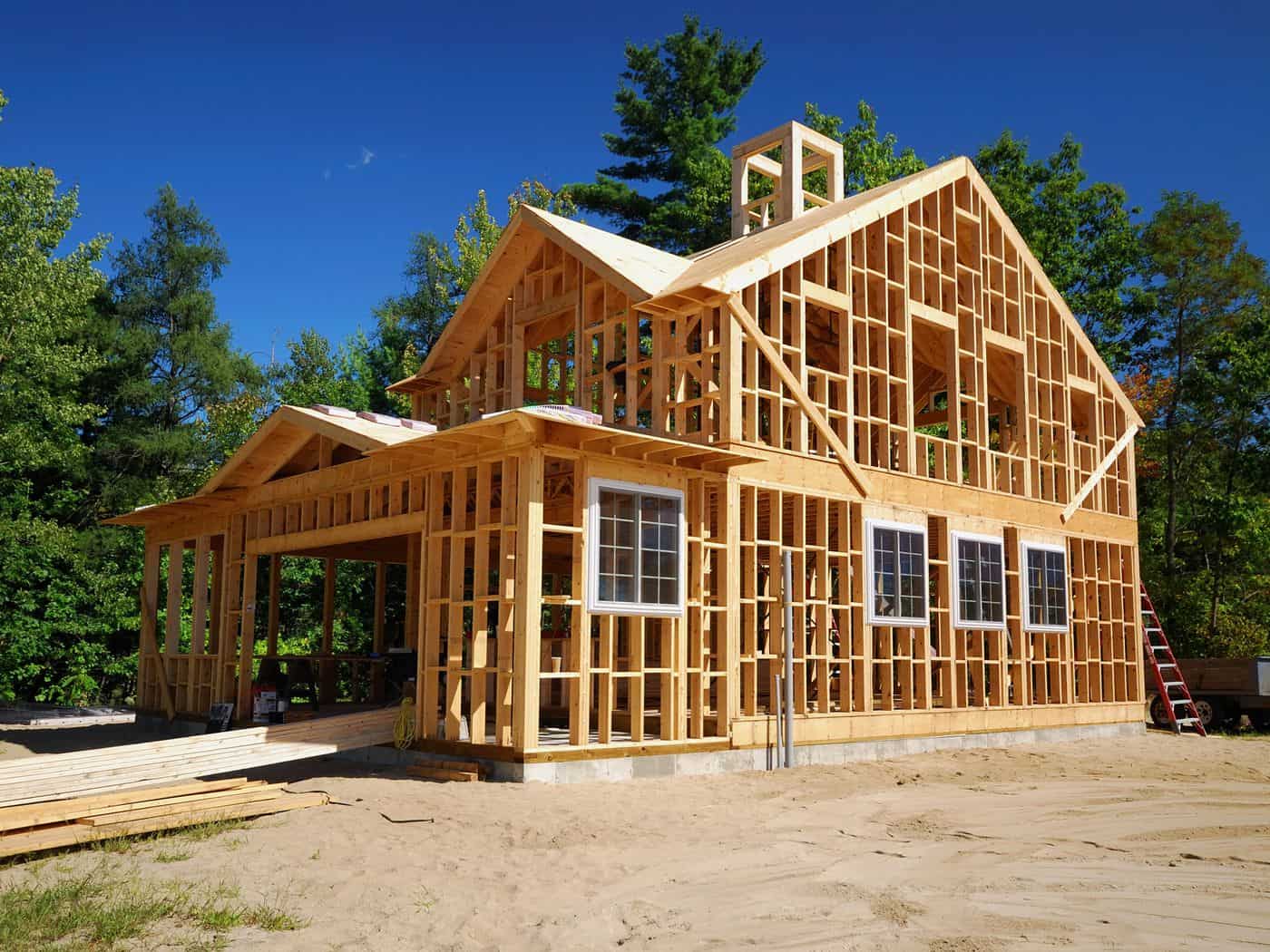
Understanding the Custom Homebuilding Timeline
Why Knowing the Timeline Matters
Building a custom home is exciting, but it also comes with a lot of moving parts. One of the biggest questions homeowners ask—often before choosing a builder—is “How long is this really going to take?” Understanding the timeline isn’t just about curiosity. It shapes your budget, planning, and peace of mind throughout the entire process.
How timeline clarity reduces stress
When you know what happens next, the process feels much easier to navigate. Homeowners in Forsyth County often tell us that the early stages felt overwhelming until they understood the sequence of events: design, permitting, site prep, construction, inspections, and move-in. Once the timeline becomes clear, the unknowns shrink.
You stop guessing when decisions need to be made, and you gain confidence in the process. This clarity also reduces surprises—because you can see how each phase connects to the next.
Impact on budget, planning, and move-in dates
Your homebuilding timeline directly affects the financial and personal milestones in your life. For example:
- If you’re selling your current home, you need to know when to list it.
- If you’re renting, you'll need to decide whether to extend your lease.
- Families with school-age children often want to move before the start of a new school year.
- Long lead times on materials can shift your cash flow and selection decisions.
Knowing the schedule helps you plan for these transitions and prevents last-minute scrambling. You can sync your move-in date with important life events instead of reacting to construction delays or rushed deadlines.
Why custom homes take longer than production homes
Many people wonder why a custom home can take significantly longer to build than the homes they see going up in large subdivisions. The reason is customization itself.
Unlike production builders—who repeat the same floor plans with pre-selected features—custom homebuilders start from a blank slate. Every design, every material choice, and every structural detail is tailored to your lifestyle. This means:
- More time in the design phase
- Longer approval and permitting steps
- A wider range of materials and fixtures to select from
- More on-site craftsmanship
- Unique architectural elements that take longer to build
Think of it as the difference between buying a suit off the rack versus having one tailored specifically for you. The result is far more personal and lasting—but it naturally takes more time to create.
Understanding these differences helps set realistic expectations from the start, leading to a smoother, more enjoyable homebuilding experience.
Phase 1 — Design & Pre-Construction (6–12+ Months)
The design and pre-construction phase lays the foundation for everything that follows. This is where ideas turn into drawings, drawings turn into documents, and documents turn into permits. While many homeowners focus on the physical build, this early stage often takes just as long—sometimes longer—because it requires careful planning, coordination, and decision-making.
For families in Forsyth County, this phase is where your vision truly begins to take shape.
Step 1 — Discovery & Initial Consultations (2–4 Weeks)
The process starts with a conversation. During this stage, you meet with your builder or architect to discuss your goals, lifestyle, and the way you imagine living in your new home.
You might talk about questions like:
- Do you need a dedicated home office?
- Is outdoor living space a priority?
- Do you prefer an open layout or more defined rooms?
These early conversations help the team understand what matters most to you.
An initial feasibility review often follows, where your builder evaluates the lot, local codes, HOA requirements, and budget ranges to ensure your vision can realistically be built.
Step 2 — Programming (1–2 Weeks)
Programming is essentially gathering every requirement for the home—big and small.
This includes:
- Defining must-have spaces
- Setting approximate square footage
- Establishing how rooms should connect
- Identifying storage needs, traffic flow, and lifestyle patterns
Many homeowners find this part surprisingly enjoyable because it’s when the project becomes personal. Your daily routines and long-term goals start shaping the home’s layout.
Step 3 — Schematic Design (4–6 Weeks)
At this stage, the ideas from discovery and programming turn into early visuals.
Your architect creates:
- Rough sketches
- Initial floor plans
- Early exterior elevation concepts
These drawings aren’t final, but they help you understand the layout and general feel of the home. Most families request a few rounds of tweaks—moving a pantry, adjusting the garage entry, expanding a primary closet. This is normal and expected.
Step 4 — Design Development (4–6 Weeks)
Now the design becomes more detailed and technical.
This phase includes:
- Structural planning for beams, walls, and load-bearing elements
- Material selections for both interior and exterior
- Planning mechanical systems such as HVAC, plumbing, and electrical
You may also begin choosing finishes or at least identifying your preferences so pricing can be estimated accurately later. This is where your home becomes a blend of aesthetics and engineering.
Step 5 — Preliminary Pricing (4–8 Weeks, Often Overlapping)
While design development is happening, preliminary pricing begins.
Your builder reviews the plans and provides an estimated total cost that includes:
- Labor
- Materials
- Site work
- County requirements
- Allowances for finishes
This step is essential because it ensures the design still aligns with your budget. If the estimate comes in higher than expected, refinements can be made before final drawings are produced.
Step 6 — Value Engineering / Optional Redesign (2–4 Weeks)
Value engineering is all about optimizing the home without compromising your vision.
Common adjustments include:
- Swapping certain materials to reduce cost
- Simplifying architectural details
- Modifying square footage in non-essential areas
Many homeowners in Forsyth County choose this step to balance quality and price, especially when aiming for long-term value and energy efficiency.
Step 7 — Construction Drawings (4–8 Weeks)
Construction drawings are the detailed, technical documents your builder and subcontractors will use to build the home.
They include:
- Final architectural plans
- Structural engineering reports
- Electrical and mechanical layouts
These plans must be precise—every inch matters. Once complete, they’re submitted for engineering approvals and prepared for permitting.
Step 8 — Permitting Process (8–12+ Weeks)
This final step before construction can be one of the most unpredictable. Permitting requirements vary by jurisdiction, and Forsyth County often has longer queues due to rapid growth in the area.
Factors that influence permitting time include:
- County workload
- Completeness of submitted documents
- Environmental or zoning reviews
- HOA architectural approvals
Common reasons for permit delays include missing details in the plans, required revisions, or extended review times during busy seasons.
By the end of Phase 1, you have a fully approved design, a confirmed budget, and a permit in hand. Everything is ready for construction to begin—turning your vision into a real structure you can walk through, room by room.
Phase 2 — Construction (15–24+ Months)
Once permits are approved and the plans are finalized, construction can officially begin. This is the phase most homeowners look forward to—the moment when months of planning finally turn into visible progress. From clearing the land to installing the last light fixture, every step is carefully coordinated to ensure quality, safety, and long-term performance. For many families in Forsyth County, this phase becomes an exciting journey as they watch their future home take shape week by week.
Step 1 — Bidding & Contract Signing
Before any physical work begins, your builder finalizes the bidding process with subcontractors and suppliers.
This step includes:
- Selecting the right general contractor
- Reviewing bids from trades such as framers, electricians, plumbers, and HVAC companies
- Confirming detailed cost breakdowns for labor, materials, and allowances
Once everything aligns with your expectations and budget, both parties sign the construction contract. This legally establishes the scope of work, payment schedule, and timeline. With a signed agreement in place, construction is ready to move forward.
Step 2 — Site Preparation & Excavation (1–2 Months)
The construction team begins transforming the land into a build-ready site.
This phase typically includes:
- Clearing trees, rocks, and debris
- Grading the land for proper drainage
- Conducting soil testing to ensure stability
- Establishing access for utilities such as water, power, and septic or sewer
Homeowners often describe this stage as the first moment the project feels “real.” The lot starts looking like a place where a home will stand, not just a piece of land.
Step 3 — Foundation & Framing (2–3 Months)
This is one of the most crucial steps, as everything built afterward relies on the strength and precision of the foundation and frame.
Key activities include:
- Pouring concrete footings and slab or basement foundation
- Waterproofing and preparing the structural base
- Framing the entire structure—walls, floors, and roof
- Installing roof decking and initial weatherproofing
By the end of this stage, homeowners can walk through the framed structure and begin to visualize room layouts, ceiling heights, and how natural light will flow through the home.
Step 4 — Rough-Ins: Electrical, Plumbing & HVAC (1–2 Months)
With framing complete, licensed trades move in to install the essential systems that make the home functional.
This includes:
- Running electrical wiring
- Installing plumbing lines and waste systems
- Placing HVAC ductwork, vents, and mechanical components
Multiple inspections occur during this stage. They ensure that everything meets building codes and safety standards before the walls are closed. These inspections protect you as a homeowner and ensure long-term reliability.
Step 5 — Insulation & Drywall (1–2 Months)
Once the rough-ins pass inspection, the home is insulated.
This step focuses on:
- Enhancing energy efficiency
- Improving comfort and indoor climate control
After insulation is installed, drywall goes up. Walls are framed, hung, taped, sanded, and prepared for painting. This is when the interior truly begins to look like a home rather than a construction site.
Step 6 — Interior Finishes (3–6 Months)
Interior finishes are often the longest and most detailed stage because they involve precision, craftsmanship, and homeowner selections.
This phase includes installing:
- Flooring (hardwood, tile, carpet, luxury vinyl)
- Cabinets for the kitchen, bathrooms, and storage areas
- Countertops
- Interior doors, trim, and molding
- Paint and wall textures
- Appliances and specialty fixtures
Many homeowners describe this as the most exciting part of construction, as personal style and design choices finally come to life.
Step 7 — Exterior Finishes (1–3 Months)
While interior work progresses, crews also complete the exterior to ensure durability and curb appeal.
This includes:
- Installing siding materials such as brick, stone, stucco, or fiber cement
- Finalizing roofing details and gutters
- Adding exterior trim, porches, decks, and outdoor structures
These elements not only affect the appearance of the home but also its long-term performance against Georgia’s weather conditions.
Step 8 — Final Fixtures, Testing, Cleaning & Closing (1–2 Months)
The final stage is where the home is polished, tested, and prepared for move-in.
This includes:
- Installing lighting fixtures, plumbing fixtures, and hardware
- Testing electrical systems, HVAC, and appliances
- Deep cleaning the entire home
- Reviewing the space during a final walk-through
- Completing final inspections to obtain the certificate of occupancy
Once these steps are complete, your builder hands over the keys—and your new custom home is officially ready for you and your family.
Phase 2 is detailed, hands-on, and transformative. By the end of it, what started as a vision becomes a finished home built to fit your lifestyle, your needs, and your future.
Overall Homebuilding Timeline Overview
Understanding the total timeline for building a custom home helps you plan realistically and avoid unnecessary stress. While every project is unique, most follow a similar rhythm—from design and permitting to construction and final inspections. The timeline can vary widely based on home size, architectural complexity, material selections, and how quickly decisions are made. Below is a practical look at what homeowners in Forsyth County can expect.
General Time Estimates
Standard custom build: 18–36 months
For most families building a custom home, the process typically takes anywhere from a year and a half to three years. This timeframe includes both design and construction.
A standard custom build usually involves:
- A personalized floor plan
- Quality materials
- Traditional or semi-modern architectural details
- A mix of standard and upgraded features
These homes take time because each detail is crafted and coordinated with care. Timelines depend heavily on the complexity of the design, the permitting process, weather conditions, and how quickly selections are finalized. When homeowners make timely decisions and the project faces minimal disruptions, the timeline leans toward the shorter end. When design revisions or special-order materials are involved, it naturally extends.
Many homeowners are surprised to learn that the design and permitting phase alone often takes 6–12 months. But this careful planning helps prevent delays later on and ensures the home is built correctly from the foundation up.
High-end luxury build: 24–48+ months
Luxury homes typically require a longer timeline—two to four years or more—because of the level of customization, engineering, and craftsmanship involved.
A luxury build may include:
- Larger square footage
- Complex structural elements
- High-end finishes sourced from specialty suppliers
- Custom cabinetry, millwork, and built-ins
- Smart home technology and integrated systems
- Outdoor living spaces, pools, or guest houses
These features take additional time to design, engineer, and install. For example, a custom wine cellar, a two-story great room with exposed beams, or a spa-style primary bathroom often requires specialty trades and extended lead times.
Luxury homeowners also tend to request more revisions during design, which adds to the timeline but ensures the final result matches their vision perfectly.
Whether you're building a standard custom home or a high-end luxury residence, having a realistic timeline upfront helps guide your planning, budgeting, and expectations. The key is understanding that building something truly tailored takes time—but the result is a home designed for the life you want to live.
Key Stages of Custom Home Construction (Simplified Breakdown)
For homeowners who want a quick, easy-to-understand overview, this simplified timeline highlights the major stages of building a custom home. While the full process is more detailed and can vary based on design choices, permit timelines, and construction complexity, these five stages capture the core journey from planning to move-in.
1. Pre-Construction Phase (1–3 Months)
This phase includes all the groundwork needed before construction can begin. Even though the full design and permitting process often takes longer, this simplified version reflects the essential pre-build steps.
During this stage, your builder finalizes the construction contract, reviews all approvals, orders early materials, and prepares the project schedule. Homeowners typically make key decisions about finishes, selections, and structural preferences.
The goal of this phase is to ensure everything is ready so construction can begin smoothly and without delay.
2. Site Preparation & Foundation (1–2 Months)
Once construction officially begins, the lot is prepared for building.
This includes:
- Clearing vegetation and debris
- Grading the land for proper drainage
- Installing utility connections or temporary power
- Excavating and pouring the foundation
The foundation sets the structural base for the entire home. Whether you're building on a slab, crawl space, or basement, this step must be completed with precision. By the end of this phase, the footprint of your home becomes visible.
3. Framing & Structural Work (2–3 Months)
Framing is when the home starts to take shape.
In this stage, builders construct:
- Exterior and interior walls
- Floors and ceiling structures
- The roof system
Windows and exterior doors may also be installed for weather protection. Walking through the framed structure is often one of the most exciting moments for homeowners—you can finally visualize room sizes, ceiling heights, and the overall flow of the home.
4. Interior & Exterior Finishing (4–6 Months)
This phase covers most of the detailed work that brings your home to life.
Interior finishes include:
- Drywall
- Paint
- Cabinets
- Countertops
- Flooring
- Trim and molding
- Appliances
Exterior finishes often progress at the same time and may include siding, stonework, roofing details, porches, and outdoor living areas.
Because so many trades are involved, this is usually the longest and most intricate portion of construction. Every choice—from tile to lighting—plays a role in the final feel of your home.
5. Final Inspections & Move-In (1–2 Months)
The final stage ensures your home is safe, functional, and ready for occupancy.
This phase includes:
- Installing fixtures such as lighting, faucets, and hardware
- Completing mechanical system tests
- Performing touch-ups and deep cleaning
- Conducting a walk-through with your builder
- Receiving the certificate of occupancy
Once the final inspections are approved and any last adjustments are made, you receive the keys to your new custom home. Many families describe this moment as both emotional and deeply rewarding—everything you planned, imagined, and waited for finally becomes real.
This simplified breakdown gives you a clear picture of how the construction process typically unfolds. While timelines can shift based on design complexity, weather, or material availability, these stages remain consistent across most custom home projects.
Factors That Influence Construction Duration
Every custom home is unique, which means every timeline is unique as well. While builders follow structured processes, several external and internal factors can significantly speed up—or slow down—the construction of your home. Understanding these influences helps you set realistic expectations and make informed decisions throughout the build.
Permitting Process
Permits play a major role in determining when construction can officially begin. The permitting timeline varies depending on the county, the complexity of your home, and seasonal demand.
In Forsyth County, where many homeowners are building larger custom properties, permit queues can stretch longer during peak periods.
Factors that affect permitting include:
- Thoroughness of submitted documents
- Required revisions or clarifications
- Zoning restrictions or environmental reviews
- HOA architectural approvals
If even one detail in the plans needs adjustment, the permit office may request revisions, adding weeks to the project. This is why working with an experienced builder—one who understands local regulations—can significantly reduce delays.
Weather Conditions
Construction is heavily influenced by weather, especially in Georgia where conditions can shift quickly.
Rain, freezing temperatures, and prolonged humidity can delay:
- Concrete pouring
- Roof installation
- Exterior finishing
- Site grading and foundation work
For example, heavy rainfall can make excavation and foundation work impossible, pushing the schedule back until the site dries out. Summer heat waves may also slow down certain trades for safety reasons.
While builders plan around typical seasonal conditions, unexpected weather events are a natural part of homebuilding timelines.
Material Availability
In recent years, material availability has become one of the biggest factors affecting construction duration.
Delays can occur when:
- Specialty materials have long lead times
- Items are back-ordered
- Shipments arrive incomplete or damaged
- Suppliers face manufacturing slowdowns
Even something as simple as a specific tile or a custom window can extend the project timeline if it requires special ordering.
Many homeowners don’t realize how much selections impact the schedule. Choosing materials early—and confirming lead times—helps prevent delays once construction is underway.
Custom Features & Home Complexity
The more custom elements your home includes, the longer the build may take. Custom homes offer nearly unlimited design possibilities, but unique features often require specialty trades, extended planning, or custom fabrication.
Some common factors that add time include:
Smart home tech
Advanced automation systems require precise wiring, programming, and coordination between multiple subcontractors.
Homes with whole-house sound systems, smart lighting controls, or integrated security networks often need additional installation and testing time.
High-end materials
Luxury finishes—from imported stone to handcrafted cabinetry—typically have longer lead times and require skilled labor for installation.
The more detailed and premium your selections, the more time your builder needs to ensure everything is installed correctly and safely.
Non-standard architectural elements
Features like vaulted ceilings, curved walls, floating staircases, steel beams, or large expanses of glass add structural complexity.
Engineers must verify load requirements, framers need extra time to assemble unique structures, and inspections become more detailed.
Understanding these factors helps homeowners stay flexible and prepared throughout the homebuilding journey. While not all delays are avoidable, many can be minimized with early planning, proactive communication, and realistic expectations. The more customized the home, the more time it deserves to be built with precision and care.
Common Challenges & How to Overcome Them
Even the best-planned custom home projects face challenges along the way. Weather shifts, supply chain issues, and design changes are all common parts of the building process. The key is not avoiding challenges altogether—but understanding how to manage them. Experienced builders anticipate these issues and use proactive strategies to minimize delays and keep the project moving forward.
1. Weather Delays
Weather is one of the few factors no builder can control, especially in Georgia where rainstorms, heat waves, and sudden temperature drops are common. Certain construction steps—like pouring concrete, framing, or installing roofing—require dry or stable conditions. When bad weather hits, work may slow or temporarily stop for safety and quality reasons.
How builders mitigate seasonal issues
To reduce the impact of weather, builders typically:
- Schedule weather-sensitive tasks during historically stable months
- Use temporary coverings and protective materials
- Plan buffer time in the schedule to absorb delays
- Sequence indoor tasks to continue progress when outdoor work is paused
For example, if heavy rain delays foundation work, the team might shift focus to ordering materials, preparing interior layouts, or completing off-site fabrication. Good builders stay flexible and keep communication open so homeowners always understand why a delay happened and how it’s being handled.
2. Material Shortages
Material shortages have become more common in the last few years, affecting everything from lumber and windows to specialty tiles and appliances. When an item is back-ordered or shipping delays occur, it can disrupt the construction sequence—especially if the material is required before the next stage can begin.
Supply chain solutions
Experienced builders have several strategies to avoid or reduce material-related delays:
- Ordering key materials early in the project
- Offering alternative selections with shorter lead times
- Working with multiple suppliers to increase availability
- Tracking shipments and adjusting the construction schedule when possible
Homeowners can also help by finalizing selections early so builders can order materials before construction reaches a critical stage. A small decision—like picking cabinets on time—can prevent weeks of delay down the road.
3. Design Changes Mid-Project
It’s common for homeowners to rethink certain choices once construction begins. Maybe a room feels different than expected, or you decide to upgrade a material after seeing samples in person. While changes are possible, they often affect the timeline and budget.
How change orders affect timeline
A change order may require:
- Revising architectural or engineering plans
- Reordering materials with new lead times
- Reworking completed construction
- Re-coordinating affected trades
Even a seemingly small change—like moving a wall or upgrading a window—can trigger extra steps behind the scenes. Builders must ensure everything still meets code and design standards, which takes time.
To manage this smoothly:
- Make as many selections as possible before construction begins
- Walk through the house at key milestones to confirm your choices
- Discuss changes early, before they affect multiple trades
- Ask your builder how each change will impact the timeline
Challenges are a normal part of building a custom home, but they don’t have to derail the project. With proactive planning, clear communication, and realistic expectations, you can navigate these obstacles confidently and keep your dream home on track.
The Role of Building Materials in Your Timeline
The materials used to build your custom home play a major role in how long the project takes. Some materials install quickly and are widely available, while others require specialized labor, extended curing times, or longer sourcing periods. Understanding these differences helps homeowners make informed decisions that balance durability, aesthetics, and schedule.
Traditional Materials vs. Insulated Concrete Forms (ICF)
Many custom homes in Georgia still use traditional wood framing, brick, stone, and concrete. These materials are reliable and familiar, but each comes with its own impact on construction duration. In recent years, Insulated Concrete Forms (ICF) have become a modern alternative—offering faster build times in some cases, along with better energy efficiency and long-term strength.
Wood (Traditional Framing)
Wood framing is the most common method for residential construction.
Its advantages include:
- Wide availability of materials
- Familiarity among local builders and trades
- Flexibility in design
However, wood framing is sensitive to weather. Heavy rain, humidity, or extreme temperatures can slow installation or temporarily halt progress. Lumber pricing and supply fluctuations can also impact lead times.
Because wood-framed homes require multiple steps—framing, sheathing, insulation, drywall—each stage must be sequenced carefully, which adds time to the overall schedule.
Brick & Stone
Brick and stone create a timeless exterior and perform extremely well in Georgia’s climate.
But they require:
- Skilled masons
- Longer installation times
- Weather-friendly conditions
These materials often take more time to install than siding or stucco because each piece is placed by hand. If your design includes large amounts of stonework or intricate patterns, expect your timeline to extend. Many homeowners feel the added time is worth it for the upscale look and durability these materials provide.
Concrete
Concrete plays a key role in foundations, basements, and certain structural features.
While strong and long-lasting, concrete must cure properly. This curing time adds days or even weeks depending on:
- Foundation type
- Weather and temperature
- Structural requirements
Delays can occur if rain prevents pouring or if curing takes longer than expected. Concrete is extremely reliable, but it requires patience to ensure long-term stability.
Modern Construction Techniques with ICF
Insulated Concrete Forms (ICF) offer a modern building method that can streamline certain parts of the construction process. ICF walls are formed using insulated blocks that are stacked, reinforced with steel, and filled with concrete.
This approach provides:
- Faster wall assembly compared to traditional framing
- Better energy efficiency
- Improved sound insulation
- Exceptional durability and storm resistance
Because ICF walls combine structure and insulation into a single step, they reduce the number of trades required during early construction. This can shorten the framing and envelope phase of the project.
Faster build time vs. traditional materials
Compared to wood framing, ICF construction can save time in the following ways:
- Fewer weather-related delays
- Reduced labor requirements
- Faster installation of a sealed, energy-efficient wall system
However, the overall timeline may still depend on the availability of skilled ICF installers and the complexity of your home’s design. Some homeowners choose ICF for its long-term benefits—lower energy bills, stronger structure—even if the timeline is similar to traditional framing.
Choosing the right materials is more than an aesthetic decision—it directly affects how quickly your home can be built and how well it performs for decades to come. Understanding these factors helps you and your builder create a timeline that supports both your vision and your move-in goals.
Different Types of Home Construction
Not all homes are built the same way—and not all construction methods follow the same timeline. Understanding the differences between production homes, semi-custom homes, fully custom homes, and luxury homes helps you see why custom builds naturally take longer. It also highlights how construction methods like ICF compare to traditional stick-built approaches.
Production Homes
Production homes are built in large developments using a set of pre-designed floor plans. Builders repeat the same layouts across multiple lots, which allows them to streamline labor, materials, and construction schedules.
Key characteristics include:
- Limited design choices
- Pre-selected materials and finishes
- Faster construction through standardized processes
- Lower cost compared to custom homes
Because everything is pre-planned and repeated, production homes can be built in as little as 4–8 months. However, this speed comes at the cost of personalization. Homeowners who choose production homes often prioritize budget and speed over customization.
Semi-Custom Homes
Semi-custom homes offer a blend of flexibility and efficiency.
Buyers select a base floor plan and make modifications such as:
- Expanding a room
- Changing exterior materials
- Adjusting certain layout features
- Adding upgraded finishes
While semi-custom homes offer more personalization than production homes, they still rely on existing designs and construction processes. Timelines usually range from 9–18 months, depending on the extent of customization and material choices.
Fully Custom Homes
Fully custom homes start with a blank slate—every room, feature, and detail is tailored to the homeowner’s preferences.
This includes:
- Unique architectural design
- Completely personalized floor plans
- Custom finishes, fixtures, and materials
- Specialized engineering and structural elements
Because every choice requires planning, sourcing, coordination, and craftsmanship, fully custom homes take longer to build. A realistic timeline is 18–36 months, with some extending further depending on complexity and design revisions.
Homeowners who choose a fully custom build value individuality, quality, and the ability to create a home that fits their lifestyle perfectly.
Luxury Homes
Luxury homes take customization to the highest level.
These homes often include:
- High-end materials and imported finishes
- Complex architecture
- Expansive square footage
- Smart home systems and integrated technology
- Outdoor living spaces, pools, and specialty rooms
Luxury homes commonly take 24–48+ months to complete.
Lead times for specialty materials, custom fabrication, and detailed craftsmanship contribute to longer timelines—but the final result is a one-of-a-kind residence built for long-term enjoyment and prestige.
ICF vs. Stick-Built Timelines
When comparing building methods, the choice between Insulated Concrete Forms (ICF) and traditional stick-built construction can also influence timelines.
Stick-built (wood framing):
- Most common method
- Materials widely available
- Multiple steps required (framing, sheathing, insulation, drywall)
- Can be vulnerable to weather delays
- Familiar to most builders and trades
ICF construction:
- Faster structural wall assembly
- Combines insulation and structure in one system
- Less affected by weather
- Requires trained installers
- Fewer steps in the building envelope stage
- Offers superior energy efficiency and soundproofing
In many cases, ICF can shorten the framing and exterior wall timeline because the structure goes up quickly and the home becomes “weather-tight” sooner. However, overall construction duration may still depend on design complexity, finishing details, and local labor availability.
No matter which type of home you choose, understanding the differences helps you set realistic expectations for cost, customization, and timeline. Each approach has its own advantages—the key is selecting the one that aligns with your lifestyle, budget, and long-term goals.
Managing the Construction Phase
Once construction is underway, your role as a homeowner shifts from planning to active involvement. While your builder manages the day-to-day work, your engagement, communication, and timely decisions play an important part in keeping the project on schedule. Managing this phase well helps prevent delays, protects your budget, and ensures the final home aligns with your expectations.
Site Visits
Regular site visits give you a firsthand look at the progress and help you stay connected to the project.
Many homeowners in Forsyth County find that walking through the home during key milestones—framing, rough-ins, and finishing—helps them visualize the completed space and catch any adjustments early.
During site visits, you can:
- Confirm that room layouts match your expectations
- Review window placement and sightlines
- See how natural light enters each space
- Ensure electrical and plumbing rough-ins align with your needs
Site visits should be coordinated with your builder for safety and accuracy. A guided walkthrough ensures you understand what you’re seeing and gives you the chance to ask questions before moving to the next phase.
Communication with Contractor
Clear and consistent communication is the backbone of a smooth construction phase.
Your builder should provide:
- Regular progress updates
- A clear timeline of upcoming tasks
- Notice when decisions or approvals are needed
- Immediate communication if issues arise
Many builders use project management software where homeowners can view photos, schedules, documents, and updates in real time. Whether communication happens through meetings, email, or a project portal, staying informed helps you feel confident and in control.
A responsive contractor also makes it easier to address concerns early—before they turn into delays or costly changes.
Budget Tracking
Even with a well-defined budget, construction can include adjustments, upgrades, and unforeseen expenses. Tracking your budget throughout the project helps you stay aligned with your financial goals.
Effective budget tracking includes:
- Reviewing change orders before approving them
- Monitoring material allowances against actual selections
- Confirming labor costs and upgrades in writing
- Checking that completed work matches the contracted scope
Many homeowners are surprised by how quickly small upgrades add up. By keeping an eye on spending throughout the build, you avoid last-minute stress and ensure your budget remains balanced from start to finish.
Staying Ahead of Decisions
One of the most common reasons construction slows down is delayed decision-making.
Throughout the project, your builder will need timely choices on items such as:
- Cabinets
- Flooring
- Tile
- Countertops
- Paint colors
- Lighting and plumbing fixtures
Some of these materials require long lead times, meaning they must be ordered weeks—or months—before installation. When selections are made early, builders can keep construction flowing smoothly without waiting for materials to arrive.
To stay ahead:
- Review your selection schedule early in the project
- Place orders as soon as you finalize choices
- Ask your builder which decisions are most urgent
- Plan ahead for specialty or custom items
Being proactive ensures that trades stay on schedule and prevents delays during finishing stages.
Managing the construction phase is all about communication, preparation, and engagement. When you stay informed and ahead of key decisions, you help your builder deliver a home that matches your vision—on time and with fewer surprises.
Hiring & Working With Contractors
Choosing the right builder is one of the most important decisions you’ll make during your custom home journey. The contractor you hire will guide the project from design to completion, manage subcontractors, coordinate materials, and ensure the home meets safety, quality, and structural standards. A skilled, trustworthy builder not only protects your investment but makes the entire experience smoother and less stressful.
Selecting the Right Builder
A great builder is more than someone who knows how to construct a house—they’re a partner who understands your goals, communicates clearly, and delivers consistent quality.
When evaluating builders, consider the following:
- Experience with custom homes: Custom homes require more coordination and detail than production builds. Choose a contractor who regularly works on one-of-a-kind designs.
- Local expertise: A builder familiar with Forsyth County understands local codes, soil conditions, permit requirements, and neighborhood expectations.
- Quality of craftsmanship: Reviewing previous projects, reading testimonials, and touring completed homes can help you assess workmanship.
- Team structure: Builders with strong project managers, office support, and long-term relationships with subcontractors tend to deliver smoother timelines.
- Transparency: You want a builder who is open about pricing, timelines, and potential challenges—not someone who avoids tough conversations.
Selecting the right builder sets the tone for the entire project. It’s worth taking your time, asking questions, and trusting your intuition about who feels like the best fit.
Questions to Ask
Asking the right questions upfront helps you understand a builder’s approach and whether it aligns with your expectations. Some key questions include:
- How many custom homes do you build each year?
Builders who focus heavily on custom projects tend to have stronger processes in place. - Who will be my point of contact during construction?
Clear communication channels reduce misunderstandings and keep the project on track. - How do you handle change orders?
Understanding this early prevents surprises if you make adjustments mid-project. - What is your typical project timeline?
Builders should be able to explain their process and where delays commonly occur. - How do you select subcontractors?
Long-term, trusted trade partners often lead to higher quality and fewer scheduling issues. - What warranty do you provide after completion?
A strong warranty shows confidence in craftsmanship and offers peace of mind.
Asking these questions gives you insight into how the builder operates—and how they’ll work with you over the next several months or years.
Contract Structure
A well-written contract is essential for protecting both the homeowner and the builder. It ensures everyone understands the expectations, responsibilities, and financial commitments of the project.
A standard custom home contract includes:
- Detailed scope of work: What is included in the build—and what is not.
- Material allowances: Budgeted amounts for items like flooring, cabinets, and fixtures.
- Payment schedule: When payments are due and what milestones trigger them.
- Timeline expectations: Estimated start and completion dates, plus known variables that may affect schedule.
- Change order process: How modifications are priced, approved, and documented.
- Warranty information: Coverage for workmanship, materials, and structural elements.
A strong contract provides clarity and reduces misunderstandings before construction begins. It also serves as a reference point throughout the project, ensuring both parties stay aligned even as the home takes shape.
Hiring and working with the right contractor is the foundation of a successful custom home build. When you choose a builder who values communication, quality, and transparency, you set yourself up for a smoother process and a home that truly reflects your vision.
FAQs About Custom Home Timelines
Building a custom home comes with many moving parts, and naturally, homeowners have questions about how long everything will take. Below are some of the most common questions people ask when planning a custom build in Forsyth County and surrounding areas.
Can I speed up the homebuilding process?
In most cases, you can influence—but not dramatically shorten—the overall timeline. Custom homes take time because each detail is designed, engineered, and built to your specifications. However, there are ways to prevent your project from slowing down unnecessarily.
You can help speed up the process by:
- Making selections early and avoiding last-minute changes
- Responding promptly to builder questions
- Finalizing design decisions before construction begins
- Choosing materials with shorter lead times
- Working with an experienced builder who has strong relationships with suppliers and trade partners
While these steps won’t cut the timeline in half, they will keep the project moving smoothly and reduce preventable delays.
What’s the biggest factor affecting build time?
The single biggest factor is complexity—the more custom features your home includes, the longer it will take to design, source, and construct.
Other major contributors include:
- Permitting timelines
- Material availability
- Weather conditions
- Design changes made mid-project
For example, a straightforward custom home with traditional framing and standard finishes will move much faster than a complex luxury home with advanced technology, imported materials, and intricate architecture.
Should I expect delays?
Yes—most custom home projects experience some form of delay, even with careful planning.
Delays can happen due to:
- Back-ordered materials
- Unexpected weather
- Required revisions during inspections
- Scheduling conflicts between subcontractors
- Design or selection changes
This is completely normal in custom construction. What matters most is how well your builder communicates, adjusts the schedule, and keeps you informed. A good builder plans buffer time into the schedule to absorb unavoidable delays and keep the project on track.
How long does a luxury home take compared to a standard home?
Luxury homes typically take longer because they involve:
- Larger layouts and structural requirements
- High-end or specialty materials
- More complex mechanical systems
- Custom-built features such as wine rooms, spa bathrooms, and outdoor living areas
- Detailed craftsmanship and specialty trades
A standard custom home may take 18–36 months, while a luxury home often requires 24–48+ months.
Think of it like building a high-performance vehicle versus a standard sedan—the precision, detail, and customization require more time and expertise.
How much buffer time should I plan for?
A realistic buffer is 10–20% of the overall timeline.
For example:
- If your builder estimates 24 months, plan for 26–30 months
- If your project is simpler and estimated at 18 months, plan for 20–22 months
This buffer helps you account for:
- Weather delays
- Backordered materials
- Design revisions
- Extended inspection schedules
Planning a buffer ensures you aren’t rushed to list your current home, end a lease, enroll children in a new school, or schedule movers before the home is truly ready.
These FAQs help homeowners prepare mentally, financially, and logistically for the construction journey. With the right expectations—and the right builder—the process becomes more predictable, less stressful, and far more rewarding.
Ready to Get Started?
Building a custom home is one of the most meaningful investments you can make—for your comfort, your lifestyle, and your future. If you’re ready to take the next step, our team at Great Heron Homes is here to guide you through every stage of the process with clarity, confidence, and craftsmanship.
Request a Quote
Whether you already have a piece of land in Forsyth County or you’re still exploring your options, we’re ready to help you understand what your project might look like.
When you request a quote, you’ll receive:
- A personalized consultation
- A realistic overview of your build timeline
- Budget guidance based on your goals
- Insights into design options and construction methods
- Answers to all your early questions
This is your opportunity to get expert advice before making any major decisions. No pressure—just clarity.
Invest in Your Family’s Future
A custom home isn’t just a structure. It’s the place where your family grows, celebrates milestones, and creates memories for decades to come. Choosing to build means choosing a lifestyle shaped by your vision—every room, every detail, every moment.
Imagine a home designed around the way you live:
A kitchen built for family meals, a peaceful primary suite where you can truly unwind, spaces where kids can play and guests can gather, and a layout that feels intuitive and timeless.
Your home should reflect who you are and what matters most to you.
When you invest in a custom home, you’re investing in comfort, quality, and a future your family will cherish.
Ready to begin the journey?
Great Heron Homes is here to bring your vision to life—one thoughtful decision, one crafted detail, and one stage at a time. Let’s build something extraordinary together.
Leave your number
and we will call you back
for a home
