
What Is a Craftsman House? A Complete Guide to Architecture, Features & History


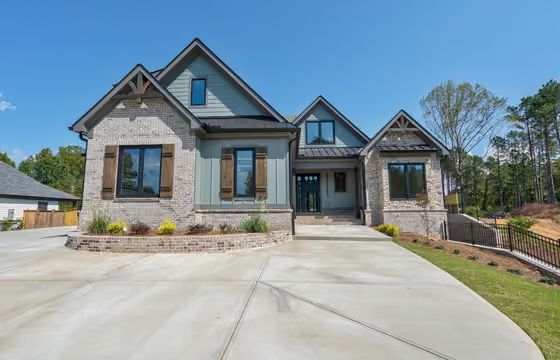
Introduction to Craftsman Architecture
Craftsman architecture is a timeless home style known for its warmth, quality, and attention to detail. At its core, a Craftsman house is designed to celebrate craftsmanship—homes built with care, using natural materials, thoughtful proportions, and visible structural elements. Instead of ornate decoration, the focus is on honesty in design, solid construction, and a strong connection between the home and its surroundings.
Originally developed in the early 1900s, Craftsman homes were meant to feel welcoming and livable. Even today, many homeowners are drawn to this style because it feels grounded, human, and intentionally designed.
Why the Craftsman style is gaining popularity again
In a world filled with fast builds and trend-driven designs, many buyers are looking for something more lasting. Craftsman homes offer a sense of permanence and character that feels missing in many modern developments.
Families often choose this style because:
- They want a home that feels cozy and personal, not oversized or sterile
- They value real materials like wood and stone
- They prefer timeless design over short-lived trends
- They want details that feel intentional, not mass-produced
For homeowners in Forsyth County considering a custom build, Craftsman architecture offers the perfect balance between classic charm and modern comfort. It can be adapted to today’s lifestyles while preserving the warmth and craftsmanship people love.
Key elements that set Craftsman homes apart
Craftsman architecture stands out because of its clear, recognizable features. These homes are easy to spot once you know what to look for.
Some of the defining elements include:
- Low-pitched gabled roofs with wide overhangs
- Exposed rafters, beams, or brackets
- Large covered front porches that encourage outdoor living
- Thick, tapered porch columns
- Natural materials like wood, stone, and brick
- Earth-toned color palettes that blend with the landscape
Inside, Craftsman homes often feature built-ins, wood trim, and cozy room layouts that feel practical and inviting.
Together, these elements create homes that feel balanced, handcrafted, and rooted in tradition—qualities that continue to resonate with homeowners looking to build something meaningful and enduring.
The Origins and History of Craftsman Houses
To truly understand Craftsman architecture, it helps to look at where it came from and why it emerged in the first place. This style was not just about how homes looked—it was about how they were built, how they functioned, and how people lived in them.
Roots in the Arts and Crafts movement
Craftsman houses trace their roots to the Arts and Crafts movement, which began in the late 19th century in England. The movement was a response to the Industrial Revolution, which had led to mass-produced goods and declining craftsmanship.
Designers and builders believed homes should be:
- Well-made
- Honest in their construction
- Built with natural materials
- Designed for everyday living
This philosophy valued skilled labor and simple forms over decoration for decoration’s sake.
A reaction against Victorian excess
At the time, Victorian homes were dominant. These houses were often heavily ornamented, filled with decorative trim, bright colors, and complex details. While visually impressive, they were expensive to build and maintain.
Craftsman homes took the opposite approach. Instead of excess decoration, they emphasized:
- Clean lines
- Functional layouts
- Structural details that were meant to be seen, not hidden
- Simpler, more comfortable living spaces
This shift made Craftsman homes feel more practical and accessible for everyday families.
Growth in the United States in the early 1900s
The Craftsman style found fertile ground in the United States in the early 1900s, especially as cities expanded and the middle class grew. Americans embraced the idea of owning a well-built home that felt personal and thoughtfully designed.
Between roughly 1905 and the 1930s, Craftsman homes became common across the country. They appeared in growing neighborhoods, small towns, and even rural areas—each adapted to local climates and materials.
The influence of publications like The Craftsman magazine
One of the biggest reasons the style spread so quickly was the role of architectural publications. The Craftsman magazine, founded by Gustav Stickley, played a major part in popularizing the style.
The magazine:
- Promoted Arts and Crafts ideals
- Published home plans that families could purchase
- Encouraged quality craftsmanship at an affordable scale
Through magazines and pattern books, homeowners could build a Craftsman house almost anywhere, making the style widely accessible.
Why the Craftsman style became so widespread
Craftsman homes struck a perfect balance between beauty, affordability, and livability. They were:
- Less expensive than ornate Victorian homes
- Easier to maintain
- Comfortable for everyday family life
- Adaptable to different regions and lot sizes
Because of this flexibility, the style spread across the country and became one of the most recognizable American home designs of the early 20th century.
Today, many people are drawn back to Craftsman homes for the same reasons—quality, simplicity, and timeless appeal.
Key Characteristics of a Craftsman House (Exterior)
The exterior of a Craftsman house is where the style is most immediately recognizable. These homes are designed to feel grounded, welcoming, and connected to nature. Every element serves both a functional and visual purpose, creating a balanced and timeless look.
Low-Pitched Gabled Roofs
Craftsman homes typically feature low-pitched gabled roofs. These roofs give the house a horizontal emphasis, helping it feel stable and well-proportioned rather than tall or imposing.
The gentle roof slope also allows for wide overhangs and exposed structural details—hallmarks of the Craftsman style.
Wide Overhanging Eaves
Wide eaves extend beyond the walls of the home, offering both protection and character. Functionally, they help shield the house from sun and rain. Visually, they add depth and shadow, making the home feel solid and thoughtfully constructed.
Exposed Rafters and Brackets
One of the most iconic Craftsman features is exposed roof structure. Rafters, beams, and decorative brackets are intentionally left visible rather than hidden.
This design choice reflects the Craftsman philosophy of honesty in construction—showing how the home is built instead of covering it up.
Large, Covered Front Porches
Front porches are a defining feature of Craftsman homes. These porches are often deep and fully covered, creating a natural extension of the living space.
They encourage outdoor living and neighborly interaction, making the home feel approachable and warm. Many families imagine rocking chairs, porch swings, or evening conversations—details that bring the home to life.
Tapered or Square Porch Columns
Craftsman porches are supported by sturdy columns, often tapered or square in shape. These columns are usually wider at the base and narrower at the top, giving the porch a grounded, architectural presence.
They are commonly set on stone or brick bases, adding visual weight and durability.
Natural Materials
Craftsman architecture relies heavily on natural materials that age beautifully over time. These materials give the home its authentic, handcrafted appearance.
Stone
Often used for porch bases, foundations, or accent walls, stone adds texture and a sense of permanence.
Wood
Wood is central to the Craftsman style. It appears in siding, trim, beams, and decorative details, bringing warmth and natural character.
Brick
Brick is commonly used for columns, chimneys, and exterior accents. It provides durability while maintaining a classic, timeless look.
Built-In and Handmade Details
Even on the exterior, Craftsman homes often include handcrafted or custom details. These may include decorative wood brackets, custom railings, or unique trim patterns.
These details set Craftsman homes apart from mass-produced designs and reinforce the sense of craftsmanship.
Earth-Toned Color Palettes
Craftsman homes typically use colors inspired by nature. Earth tones such as browns, greens, muted blues, and warm grays help the home blend into its surroundings.
These palettes avoid stark contrasts and instead create a calm, harmonious appearance.
Siding Options: Shingles, Clapboard, Stonework
Exterior siding on Craftsman homes varies, often combining multiple materials for visual interest.
Common options include:
- Wood shingles for texture and warmth
- Clapboard siding for clean, horizontal lines
- Stone or brick accents to anchor the design
This mix of materials adds depth and reinforces the handcrafted feel that defines true Craftsman architecture.
Interior Features of Craftsman Homes
The interior of a Craftsman home is designed to feel warm, functional, and intentionally crafted. Unlike many modern layouts that prioritize openness above all else, Craftsman interiors focus on comfort, usability, and detail. Every space has a purpose, and every element feels thoughtfully placed.
Smaller, Defined Rooms (Not Open Concept)
Traditional Craftsman homes feature clearly defined rooms rather than large, open floor plans. Living rooms, dining rooms, and kitchens are often separated or partially divided, creating cozy spaces that feel grounded and intimate.
Many homeowners appreciate this layout because it:
- Reduces noise between rooms
- Creates a sense of privacy
- Makes each space feel purposeful
In modern Craftsman builds, these rooms can still feel connected through wide openings or built-in cabinetry, offering balance between openness and definition.
Extensive Use of Natural Woodwork
Wood is one of the most recognizable features of Craftsman interiors. Rather than hiding it, these homes celebrate natural wood as a central design element.
Common wood details include:
Cornices and trim
Thick wood trim frames doors, windows, and ceilings, adding depth and visual weight.
Staircases
Staircases often feature solid wood railings, square balusters, and handcrafted newel posts that act as architectural focal points.
Built-in cabinets
Custom cabinetry is frequently integrated into walls, providing storage while enhancing the overall design.
Built-In Furniture
One of the most beloved aspects of Craftsman homes is built-in furniture. These features reduce clutter and reinforce the handcrafted feel of the home.
Common built-ins include:
- Bookcases in living rooms or offices
- Window benches with hidden storage
- Display cabinets or buffets in dining areas
These elements feel permanent and intentional, making the home feel custom even decades after it was built.
Fireplaces With Custom Tile or Stone Surrounds
Fireplaces are often the heart of a Craftsman living space. They are typically framed with custom tile, brick, or stone surrounds and topped with substantial wood mantels.
Rather than being decorative alone, these fireplaces are designed to anchor the room and invite gathering.
Thick Trim and Casings
Craftsman homes are known for their substantial trim. Door and window casings are thicker than in many modern homes, creating strong visual lines and reinforcing the solid, handcrafted feel throughout the interior.
Practical, Cozy Layout
The overall layout of a Craftsman home prioritizes livability. Rooms are designed around how people actually move and gather, not just visual impact.
These homes often feel comfortable and welcoming—perfect for families who value function as much as beauty.
Natural Light Through Multiple Windows
Although rooms are more defined, Craftsman homes are not dark. Multiple windows—often grouped together—bring in natural light while maintaining privacy.
Window placement is intentional, highlighting views and enhancing the warmth of wood finishes.
Finishes and Materials Typical for Craftsman Interiors
Materials inside a Craftsman home are chosen for durability and character. Common finishes include:
- Hardwood floors
- Natural stone or tile
- Wood cabinetry with simple detailing
- Matte or satin finishes rather than high gloss
Together, these elements create interiors that feel timeless, comfortable, and deeply connected to the craftsmanship that defines the Craftsman style.
Philosophy Behind Craftsman Style
The Craftsman style is more than a collection of design features—it’s a philosophy about how homes should be built and how people should live in them. At its heart, this style values quality over excess, purpose over decoration, and craftsmanship over mass production.
Craftsmanship and handmade work
One of the core beliefs behind the Craftsman style is respect for skilled workmanship. Craftsman homes were designed to highlight the work of builders, carpenters, and artisans rather than hide it behind decorative layers.
This philosophy emphasizes:
- Handcrafted details over factory-made ornament
- Visible structure as a design feature
- Careful attention to how elements are joined and finished
For many homeowners today, this approach feels refreshing. Instead of disposable design trends, Craftsman homes offer details that feel intentional and lasting.
Use of natural materials
Craftsman architecture relies heavily on materials that come from nature—wood, stone, and brick. These materials are chosen not just for appearance, but for durability and authenticity.
Natural materials:
- Age gracefully over time
- Create warmth and texture
- Connect the home to its surroundings
In contrast to synthetic finishes, these materials make the home feel grounded and real, which resonates with families looking for long-term value and comfort.
Minimalism focused on function
While Craftsman homes avoid excess decoration, they are not minimalist in the modern sense. The style focuses on functional simplicity—every element serves a purpose.
Instead of:
- Unnecessary ornament
- Decorative-only features
Craftsman design prioritizes:
- Built-in storage
- Thoughtful room layouts
- Practical details that improve daily living
This balance between simplicity and usefulness is one of the reasons the style remains relevant today.
An aesthetic rooted in simplicity and quality
The overall look of a Craftsman home reflects a belief that beauty comes from proportion, material, and craftsmanship—not from complexity. Clean lines, warm colors, and solid construction work together to create a sense of calm and permanence.
For homeowners who value homes that feel honest, livable, and thoughtfully built, the Craftsman philosophy offers something timeless. It’s not about making a statement—it’s about creating a home that feels right, year after year.
Types of Craftsman Homes
While all Craftsman homes share common principles, the style evolved into several distinct variations. These different types reflect regional influences, climate, and changing homeowner needs. Understanding these variations can help you identify which Craftsman style best fits your lifestyle and design preferences.
Craftsman Bungalow
The Craftsman bungalow is the most common and recognizable version of the style. These homes are typically one or one-and-a-half stories tall and designed for efficient, comfortable living.
Key features include:
- Low-pitched gabled roofs
- Wide front porches supported by thick columns
- Compact, functional floor plans
- Strong connection between indoor and outdoor spaces
Craftsman bungalows are especially popular with homeowners who value charm, simplicity, and a cozy layout without unnecessary square footage.
Prairie-Style Craftsman
Prairie-style Craftsman homes show clear influence from architect Frank Lloyd Wright. This variation emphasizes horizontal lines and a strong relationship with the landscape.
Common characteristics include:
- Broad, low rooflines
- Wide eaves and extended overhangs
- Horizontal window groupings
- Open interior flow compared to traditional Craftsman layouts
These homes feel grounded and expansive, making them well-suited for larger lots and homeowners who prefer a more open, modern interpretation of the Craftsman philosophy.
Mission Revival Craftsman
Mission Revival Craftsman homes blend traditional Craftsman elements with Spanish architectural influences. This style is more common in warmer climates but can be adapted to other regions as well.
Key features often include:
- Stucco exterior walls
- Wood beams and trim
- Arched openings
- Wrought iron details
The result is a warm, textured design that combines craftsmanship with Mediterranean-inspired character.
American Foursquare Craftsman
The American Foursquare Craftsman is known for its simple, box-like shape and efficient use of space. These homes are typically two stories tall and built on a square floor plan.
Distinct features include:
- Balanced, symmetrical layout
- Central staircase
- Craftsman detailing in trim, columns, and built-ins
- Wide porches and low-pitched roofs
While the overall form is simple, craftsmanship shows through in the details, making these homes both practical and visually appealing.
Other Regional Variations (Optional)
Craftsman homes adapted naturally to regional styles and materials.
California Craftsman
Often larger and more detailed, California Craftsman homes emphasize outdoor living, expansive porches, and rich woodwork.
Midwest Craftsman
These homes often feature brick exteriors, sturdy construction, and layouts suited for colder climates.
Each type of Craftsman home reflects the same core values—quality, craftsmanship, and functionality—while offering different expressions of the style. Choosing the right variation depends on your personal taste, climate, and how you want your home to live day to day.
What Makes a House Truly “Craftsman”?
With the Craftsman style growing in popularity, many homes are labeled “Craftsman” even when they only borrow a few surface details. A true Craftsman home goes deeper than appearance—it reflects a consistent philosophy in design, materials, and layout. These key elements help distinguish an authentic Craftsman home from a look-alike.
Architectural Criteria
At a structural level, Craftsman homes follow clear architectural principles. These include low-pitched roofs, wide eaves, exposed structural elements, and strong horizontal lines. The overall shape of the home feels grounded and balanced, not tall or ornate.
A true Craftsman home looks intentional from every angle. Rooflines, porches, and columns work together as a unified design rather than separate decorative features.
Material Choice
Material selection is central to the Craftsman identity. Authentic Craftsman homes use natural materials that age well and show their character over time.
Common materials include:
- Wood for trim, beams, and siding
- Stone or brick for foundations and porch bases
- Natural finishes instead of synthetic or high-gloss surfaces
If materials look artificial or overly decorative, the home is likely Craftsman-inspired rather than truly Craftsman.
Interior Layout
Inside, Craftsman homes prioritize livability over trends. Rooms are defined and purposeful, creating a sense of comfort and order. While modern adaptations may introduce more openness, the layout still emphasizes function, flow, and scale.
Instead of vast, open spaces, Craftsman interiors feel human in size—designed for daily life, not just visual impact.
Handmade or Built-In Elements
Built-in and handcrafted details are one of the strongest indicators of an authentic Craftsman home. These elements are not added later—they are part of the original design.
Common examples include:
- Built-in bookcases
- Window benches
- Custom cabinetry
- Detailed wood trim and joinery
These features reduce clutter, improve functionality, and reinforce the handcrafted nature of the home.
Harmony with the Surrounding Landscape
A true Craftsman home feels connected to its environment. The design responds to the landscape rather than overpowering it.
This harmony is achieved through:
- Earth-toned color palettes
- Natural materials that blend with the surroundings
- Porches and windows that invite outdoor living
Rather than standing apart from its setting, a Craftsman home feels like it belongs exactly where it is built.
When all of these elements come together—architecture, materials, layout, craftsmanship, and landscape connection—the result is a home that feels authentic, thoughtful, and timeless. That is what truly defines a Craftsman house.
Craftsman vs Other Architectural Styles
Understanding how Craftsman homes compare to other architectural styles can help you decide which one best fits your lifestyle and preferences. While each style has its own appeal, the differences often come down to function, materials, and overall feeling.
Craftsman vs Victorian
Victorian homes and Craftsman homes reflect very different design philosophies.
Lines and proportions
Victorian homes tend to be tall, vertical, and complex in shape. Craftsman homes, by contrast, emphasize horizontal lines and grounded proportions. Craftsman designs feel more solid and approachable, while Victorian homes often feel formal and ornate.
Decorative vs functional design
Victorian architecture focuses heavily on decoration—ornate trim, towers, and detailed embellishments. Craftsman homes prioritize function. Decorative elements are structural and purposeful, such as exposed beams or brackets that actually support the home.
Materials
Victorian homes often use decorative woodwork and painted details to create visual interest. Craftsman homes rely on natural materials like wood, stone, and brick, allowing texture and craftsmanship to define the design.
Interiors
Inside, Victorian homes typically feature tall ceilings, formal rooms, and heavy ornamentation. Craftsman interiors are more practical and cozy, with defined spaces, built-in storage, and warm wood finishes.
Craftsman vs Bungalow (Are They the Same?)
This is a common point of confusion. While the two are closely related, they are not the same.
Bungalow is a house form
A bungalow describes the shape and scale of a home—usually one or one-and-a-half stories with a compact footprint.
Craftsman is a design style
Craftsman refers to architectural details, materials, and philosophy. Many bungalows are built in the Craftsman style, but not all Craftsman homes are bungalows.
Where they overlap
A Craftsman bungalow combines the bungalow form with Craftsman features like wide porches, exposed rafters, and natural materials. This overlap is why the terms are often used together, but they describe different aspects of the home.
Craftsman vs Modern Farmhouse
Modern Farmhouse is one of today’s most popular styles, but it differs significantly from Craftsman architecture.
Craftsman homes emphasize warmth, texture, and craftsmanship. Modern Farmhouse designs often feature:
- Cleaner, simpler lines
- High-contrast color schemes
- Larger open spaces
- Industrial or rustic accents
While both styles value comfort and livability, Craftsman homes feel more detailed and rooted in tradition. Modern Farmhouse homes lean toward a contemporary, trend-driven look.
Each architectural style tells a different story. Craftsman homes appeal to homeowners who value authenticity, durability, and thoughtful design—homes that feel built with intention rather than fashion.
Where Are Craftsman Homes Most Popular?
Craftsman homes can be found throughout the United States, but certain regions are especially known for their strong presence and well-preserved examples. These areas helped shape the style and continue to attract homeowners who value character, craftsmanship, and timeless design.
West Coast (California Craftsman)
The West Coast, particularly California, is often considered the heart of American Craftsman architecture. Many of the earliest and most influential Craftsman homes were built here in the early 1900s.
California Craftsman homes are known for:
- Generous front porches
- Rich wood detailing
- Strong indoor-outdoor connections
- Adaptation to mild climates
Cities like Pasadena and Berkeley still feature neighborhoods filled with classic Craftsman homes, many of which are carefully restored or reinterpreted in new construction.
Midwest (Chicago, Minneapolis)
The Craftsman style spread quickly across the Midwest as cities expanded in the early 20th century. In places like Chicago and Minneapolis, the style was adapted to colder climates and urban neighborhoods.
Midwestern Craftsman homes often feature:
- Brick exteriors for durability
- Compact but efficient layouts
- Strong structural elements
- Practical design suited to seasonal weather
These homes appealed to middle-class families seeking quality construction at a reasonable cost.
Pacific Northwest (Seattle, Portland)
The Pacific Northwest embraced the Craftsman style for its use of natural materials and connection to the surrounding landscape. In cities like Seattle and Portland, Craftsman homes blend seamlessly with forested environments and hilly terrain.
Key characteristics include:
- Extensive use of wood
- Earth-toned color palettes
- Covered porches and wide eaves
- Homes designed to handle rain and moisture
The style’s emphasis on craftsmanship and nature makes it a natural fit for this region.
Older neighborhoods across the U.S.
Beyond these core regions, Craftsman homes appear in historic neighborhoods across the country. Many older towns and early suburban developments feature Craftsman houses built between 1905 and the 1930s.
These neighborhoods often attract buyers who:
- Appreciate historic architecture
- Value walkable communities
- Want homes with character and detail
Why the style became popular in these regions
Craftsman homes gained popularity where people valued practicality, quality, and affordability. The style adapted easily to different climates, materials, and lot sizes. It offered a well-built alternative to ornate Victorian homes and fit naturally into growing communities.
Today, these same qualities continue to draw homeowners back to the Craftsman style—whether restoring a historic home or building a new one inspired by classic design.
How to Furnish a Craftsman Home
Furnishing a Craftsman home is about choosing pieces that feel solid, functional, and thoughtfully made. The goal is not to over-decorate, but to let materials, craftsmanship, and proportion define the space. When done well, the furnishings enhance the home’s architecture rather than compete with it.
Furniture Styles That Fit
Craftsman interiors pair best with furniture that reflects the same values as the home itself—simplicity, durability, and honest construction.
Mission-style furniture
Mission-style furniture is a natural fit for Craftsman homes. It features sturdy construction, visible joinery, and straightforward forms that echo the home’s architectural details.
Dark wood tones
Furniture made from oak, cherry, or walnut complements the rich woodwork often found in Craftsman interiors. These darker finishes add warmth and depth without feeling heavy.
Simple lines
Avoid overly ornate or delicate pieces. Craftsman-friendly furniture has clean, straight lines and balanced proportions that feel timeless rather than trendy.
Handcrafted details
Handmade or artisan-crafted furniture reinforces the home’s original intent. Even a few custom or handmade pieces can make the space feel authentic and cohesive.
Color Palettes
Color plays a supporting role in Craftsman interiors. The best palettes draw inspiration from nature and allow woodwork and architectural details to stand out.
Earth tones
Colors like warm browns, deep greens, soft blues, and muted rust tones reflect the Craftsman connection to the natural world.
Neutrals
Creams, warm grays, and soft taupes provide a calm backdrop and prevent the space from feeling too dark. These tones work especially well alongside stained wood trim and built-ins.
Lighting Fixtures
Lighting in a Craftsman home should feel purposeful and warm. Fixtures often act as decorative elements while still serving a practical role.
Wrought iron
Wrought iron fixtures add weight and character. They pair well with wood beams and thick trim, reinforcing the handcrafted feel of the home.
Handcrafted glass
Lighting with art glass or stained glass shades brings color and texture without overwhelming the space. These fixtures create a soft, inviting glow.
Decor Elements That Match the Style
Decor in a Craftsman home should feel intentional and restrained. Choose items that add warmth and character without clutter.
Well-suited decor includes:
- Handmade pottery or ceramics
- Textiles with natural fibers
- Simple framed artwork or nature-inspired prints
- Wood accents and metal details
Rather than filling every surface, let the architecture speak. A Craftsman home feels best when the furnishings and decor support its sense of balance, craftsmanship, and quiet beauty.
Maintenance Tips for Craftsman Homes
Craftsman homes are built to last, but their beauty depends on proper care. Because these homes rely heavily on natural materials and handcrafted details, regular maintenance helps preserve both their appearance and structural integrity. With the right approach, a Craftsman home can age gracefully and remain comfortable for generations.
Maintaining Woodwork
Wood is one of the defining features of Craftsman homes, both inside and out. Trim, beams, built-ins, and staircases all benefit from routine care.
To maintain woodwork:
- Keep wood surfaces clean and dry
- Use gentle cleaners designed for wood finishes
- Reapply protective finishes or sealants when needed
- Address small cracks or wear early to prevent damage
In humid climates like Georgia, monitoring moisture levels is especially important. Proper ventilation and consistent indoor humidity help protect wood from warping or splitting.
Caring for Natural Materials
Craftsman homes often feature stone, brick, and tile, which are durable but not maintenance-free. These materials need periodic inspection to ensure they remain in good condition.
Best practices include:
- Checking mortar joints for cracks or deterioration
- Cleaning stone and brick gently to avoid surface damage
- Resealing tile or stone when recommended
Natural materials tend to age beautifully when cared for properly, developing character rather than showing wear.
Exterior Upkeep (Roofs, Porches, Columns)
The exterior of a Craftsman home plays a major role in its curb appeal and long-term performance. Porches, columns, and roof details are exposed to the elements and should be inspected regularly.
Important maintenance tasks include:
- Inspecting roof shingles or materials for damage
- Cleaning gutters and downspouts to prevent water issues
- Repainting or sealing porch columns and railings
- Checking exposed rafters and brackets for signs of rot or pests
Routine inspections help prevent small problems from turning into expensive repairs.
Preserving Historic Features
Older Craftsman homes often include original details that are difficult—or impossible—to replace. Preserving these features adds both value and authenticity to the home.
To protect historic elements:
- Repair rather than replace whenever possible
- Use period-appropriate materials and finishes
- Consult professionals experienced in historic restoration
- Document original features before making changes
Maintaining a Craftsman home is about respect for craftsmanship and thoughtful care. With regular attention, these homes continue to offer warmth, durability, and timeless appeal well into the future.
Pros and Cons of Craftsman-Style Houses
Craftsman-style homes are loved for their character, quality, and timeless appeal—but like any architectural style, they come with both strengths and limitations. Understanding the pros and cons helps homeowners decide whether a Craftsman home aligns with their lifestyle, expectations, and long-term goals.
Advantages
Craftsmanship
Craftsman homes are known for their attention to detail and solid construction. Exposed beams, built-ins, and quality joinery reflect a level of craftsmanship that is often missing in mass-produced homes. Many homeowners appreciate knowing their home was built with care rather than speed.
Natural materials
Wood, stone, and brick are central to Craftsman design. These materials add warmth, texture, and authenticity. They also age gracefully, developing character over time instead of looking worn out.
Cozy, livable feel
Craftsman homes are designed around comfort. Defined rooms, thoughtful layouts, and warm finishes create spaces that feel inviting and easy to live in. For families who prefer intimate gathering areas over vast open spaces, this style feels just right.
Strong resale value
Well-maintained Craftsman homes often hold their value well. Buyers are drawn to their timeless design and quality construction, especially in established neighborhoods. Authentic Craftsman features can be a strong selling point in the market.
Disadvantages
Less open space
Traditional Craftsman homes typically do not feature large, open floor plans. While this appeals to some, others may find the layout less flexible compared to modern designs.
Cost of maintaining wood elements
The extensive use of wood requires ongoing care. Repairs, refinishing, and protection against moisture or pests can add to long-term maintenance costs, especially in older homes.
Energy efficiency in older homes
Original Craftsman houses were built before modern energy standards. Without updates, they may have outdated insulation, windows, or HVAC systems. While these homes can be upgraded, doing so requires thoughtful planning to preserve their character.
Craftsman-style houses offer a unique combination of beauty, quality, and livability. For homeowners who value craftsmanship and timeless design, the advantages often outweigh the challenges—especially when the home is well-maintained or thoughtfully updated.
How Craftsman Style Has Evolved Over Time
While the core principles of Craftsman architecture have remained consistent, the style has evolved to meet changing lifestyles, building codes, and homeowner expectations. Today’s Craftsman homes often blend historic character with modern comfort, creating spaces that feel timeless yet practical.
Original Craftsman vs modern versions
Original Craftsman homes, built in the early 1900s, were designed around simplicity, craftsmanship, and efficiency. They featured smaller rooms, limited technology, and materials sourced locally. These homes were practical for their time and focused on durability rather than luxury.
Modern Craftsman homes keep the visual identity of the style but adapt it to contemporary living. Key differences often include:
- Larger kitchens and primary suites
- Updated mechanical systems
- Improved insulation and energy efficiency
- Slightly more open interior layouts
The goal is not to copy the past exactly, but to honor it while improving comfort and functionality.
Modern interpretations of the Craftsman style
Today’s interpretations often simplify or refine traditional details. Builders may use cleaner lines, lighter color palettes, and modern materials while preserving hallmark elements like wide porches, exposed beams, and natural textures.
Modern Craftsman homes may feature:
- Open transitions between rooms
- Simplified trim profiles
- Updated lighting and fixtures
- Blended materials such as wood paired with metal or stone
These adaptations allow homeowners to enjoy the Craftsman aesthetic without feeling constrained by early 20th-century layouts.
New construction in a traditional style
Newly built Craftsman homes are becoming increasingly popular among families who want classic charm without the challenges of maintaining an older house. These homes are designed from the ground up to meet current building standards while reflecting traditional proportions and details.
Benefits of new Craftsman construction include:
- Modern energy efficiency
- Updated plumbing, electrical, and HVAC systems
- Flexible floor plans
- Durable materials with lower maintenance
For homeowners building custom homes in areas like Forsyth County, new Craftsman construction offers the best of both worlds—historic style with modern performance and comfort.
The evolution of the Craftsman style shows its lasting relevance. By adapting to modern needs while staying true to its roots, Craftsman architecture continues to offer homes that feel thoughtful, warm, and built to last.
How to Find Craftsman Homes for Sale
Finding a true Craftsman home takes a bit more effort than a standard home search. These houses are often located in established neighborhoods, and listings don’t always label them accurately. Knowing where to look and what to look for can save time and help you avoid costly surprises.
Best U.S. cities and neighborhoods
Craftsman homes are most commonly found in older neighborhoods developed in the early 1900s. Many of these areas still retain their original character and street layouts.
Popular places to look include:
- Historic neighborhoods on the West Coast, especially in California
- Established Midwest cities like Chicago and Minneapolis
- Pacific Northwest cities such as Seattle and Portland
- Older in-town neighborhoods across the U.S., often near city centers
In many regions, Craftsman homes are concentrated in walkable neighborhoods with mature trees, front porches, and a strong sense of community. These areas tend to attract buyers who value character over uniformity.
How to search listings effectively
Not every listing labeled “Craftsman” truly reflects the style. Some homes use the term loosely, based on porch columns or exterior trim alone.
To search more effectively:
- Look at photos closely for key Craftsman features like exposed rafters, low-pitched roofs, and natural materials
- Use search terms such as “Arts and Crafts,” “bungalow,” or “historic home”
- Read listing descriptions carefully for mentions of original woodwork or built-ins
- Work with a real estate agent familiar with historic or character homes
If you’re considering building instead of buying, many custom builders can design a new Craftsman-style home that captures the look and feel of the originals—without the maintenance challenges.
What to check before buying an older Craftsman
Older Craftsman homes offer incredible charm, but they require careful evaluation before purchase. A thorough inspection is essential.
Key items to review include:
- Condition of wood trim, windows, and built-ins
- Electrical and plumbing systems, which may need updates
- Insulation and energy efficiency
- Foundation and structural integrity
- Roof condition and drainage
It’s also important to understand local preservation rules. Some historic neighborhoods have guidelines that limit exterior changes or renovations.
Whether you’re searching for an original Craftsman or planning to build a new one inspired by classic design, knowing how and where to look helps you make a confident, informed decision—one that balances character, comfort, and long-term value.
Frequently Asked Questions About Craftsman Houses
Craftsman homes attract a lot of interest, especially from buyers who want character, quality, and timeless design. Below are answers to some of the most common questions homeowners ask when exploring the Craftsman style.
What defines a Craftsman home?
A Craftsman home is defined by its focus on craftsmanship, natural materials, and functional design. Key features include low-pitched roofs, wide overhanging eaves, exposed rafters, covered front porches, and the use of wood, stone, and brick. Inside, Craftsman homes often feature built-ins, thick trim, natural woodwork, and cozy, well-defined spaces.
Are all bungalows Craftsman?
No. A bungalow refers to the size and layout of a home—typically one or one-and-a-half stories. Craftsman describes the architectural style.
Many bungalows are built in the Craftsman style, which is why the terms are often used together. However, not every bungalow has Craftsman features, and not all Craftsman homes are bungalows.
Why are Craftsman homes popular again?
Craftsman homes are popular again because many homeowners are seeking homes that feel authentic and well-built. In contrast to trend-driven designs, Craftsman homes offer timeless appeal, warm materials, and thoughtful details. Buyers also appreciate the sense of comfort and character that these homes provide.
What materials are typical for Craftsman architecture?
Craftsman architecture relies on natural, durable materials. Common choices include:
- Wood for trim, beams, siding, and built-ins
- Stone or brick for foundations, columns, and fireplaces
- Tile and natural finishes for interior details
These materials contribute to the handcrafted look and long-lasting quality of Craftsman homes.
How can I modernize a Craftsman interior?
Modernizing a Craftsman interior is best done with a light touch. Focus on updating systems and clarifying layouts while preserving original details.
Popular updates include:
- Improving insulation and energy efficiency
- Updating kitchens and bathrooms with Craftsman-friendly materials
- Adding modern lighting while keeping classic fixtures
- Creating subtle openness between rooms without removing character
The goal is to enhance comfort and function while respecting the home’s original style.
These answers help clarify what makes Craftsman homes special and why they continue to attract homeowners who value quality, warmth, and lasting design.
Request a Quote
If the Craftsman style feels like the right fit for you, the next step is understanding how it can come together for your home, your land, and your lifestyle.
At Great Heron Homes, we specialize in building custom homes in Forsyth County that reflect timeless architectural styles—without sacrificing modern comfort, energy efficiency, or livability. Whether you’re planning a true Craftsman home from the ground up or a modern interpretation with classic details, our team can guide you through the process with clarity and care.
When you request a quote, you’ll receive:
- A personalized conversation about your vision and goals
- Guidance on design options, materials, and layout
- A realistic discussion of budget and timeline
- Local expertise specific to Forsyth County
There’s no pressure—just honest answers and a clear path forward.
If you’re ready to explore what your Craftsman-inspired custom home could look like, we’re here to help you take the first step with confidence.
Leave your number
and we will call you back
for a home
