
How to Buy Land and Build the Right Way


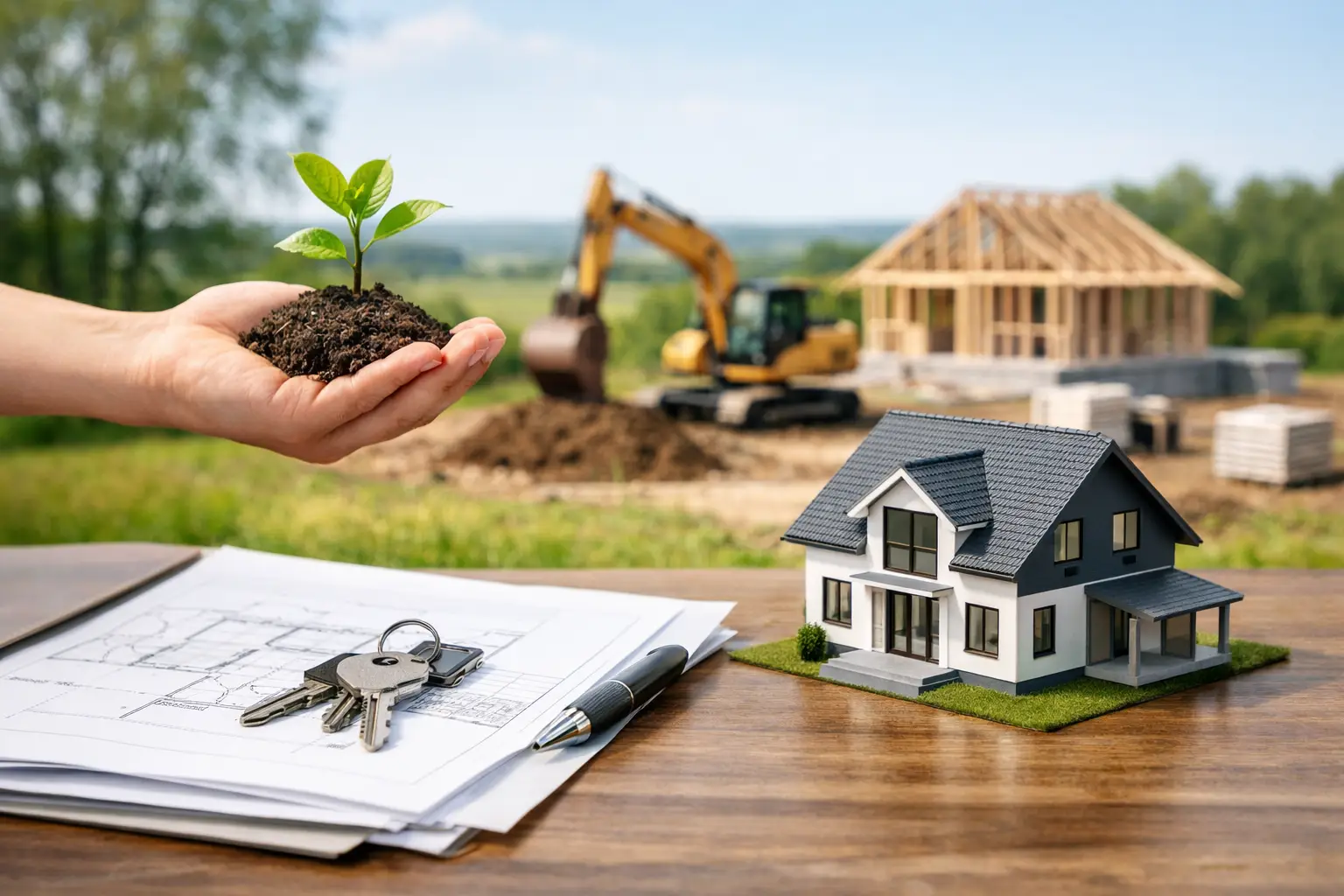
A beautiful home can be ruined by the wrong lot. That is the part many buyers miss when they start thinking about how to buy land and build. They picture the floor plan, the kitchen, the lake view, the finishes - but the land itself determines far more than most people expect, from design possibilities to permitting timelines to the true cost of construction.
If you want the process to feel organized instead of reactive, start by treating the land and the home as one decision, not two separate purchases. The right property should support the kind of home you want to build, your timeline, and your investment goals.
How to buy land and build with a clear plan
The smartest buyers begin with constraints, not inspiration photos. Before you tour lots, define your target all-in budget, your preferred home size, your must-have features, and how you plan to live in the home day to day. A steep lot may be perfect for a walkout basement and dramatic views, but it can also increase site work costs. A flat lot may simplify construction, but setback requirements or easements could limit the footprint.
This is why budget planning has to include more than the land price and the build price. Site development, grading, tree removal, utility connections, drainage work, septic design if needed, driveway installation, retaining walls, permits, and architectural plans can materially affect the total investment. Buyers shopping in the luxury market often have higher design expectations, which makes early alignment even more important. Premium architecture and high-end finishes work best when the lot can support them without forcing costly compromises.
A practical starting point is to divide the project into three buckets: land acquisition, pre-construction, and vertical build. That structure gives you a truer picture of what you are actually signing up for.
Start with the lot, but think like a builder
Land can look ideal on paper and still be a poor fit for construction. The first question is not simply, "Do I like this property?" It is, "Can I build the home I want here without avoidable cost or delay?"
That means evaluating zoning, minimum square footage requirements, setbacks, HOA rules, road frontage, topography, utility availability, and drainage. If the property is on sewer, that can simplify the process. If it requires septic, the soil and the location of the drain field matter immediately. If the lot is heavily wooded, privacy may be a benefit, but clearing and grading may be more extensive than expected.
In North Atlanta and around Lake Lanier, buyers are often drawn to lots for the setting first. That makes sense. View, privacy, and access are part of the lifestyle value. But scenic lots can come with engineering challenges, shoreline restrictions, slope considerations, and added foundation costs. None of those are deal breakers. They simply need to be understood before you close.
This is where experienced builder input becomes valuable early. A strong custom builder can often identify issues a buyer would not spot alone, and just as important, confirm when a lot is genuinely worth pursuing.
Due diligence matters more than enthusiasm
Once a lot catches your attention, slow down enough to verify the details. Survey work, soil testing, utility research, title review, and local building requirements are not paperwork formalities. They are what protect the project from expensive surprises.
For example, a lot may appear large enough for your desired home, pool, and outdoor living area, but easements or setbacks can reduce the usable space. A property may be marketed as buildable, yet still require significant site preparation before a foundation can even begin. You want those answers before purchase, not after.
Financing how to buy land and build
Financing is often less straightforward than buyers expect. Purchasing a finished home and financing land plus new construction are two different paths. Some buyers pay cash for the lot and finance construction later. Others use a construction-to-permanent loan that covers both phases. The right approach depends on liquidity, timing, and how quickly you plan to move from purchase into design and construction.
What matters most is understanding lender expectations early. Many lenders want a defined budget, construction plans, builder information, and timeline before approving a construction loan. If you buy land first without a realistic building strategy, you can end up holding property longer than planned while rates, costs, or priorities shift.
For luxury buyers, this is especially important because custom features can push pricing well beyond standard cost-per-square-foot assumptions. Thoughtful estimating up front helps preserve design intent later.
Design should respond to the land
One of the biggest mistakes in custom homebuilding is forcing a preselected house plan onto a lot that does not suit it. Great homes feel grounded in the property. They take advantage of light, privacy, approach, elevation, and views rather than fighting them.
That does not mean you need to start from scratch with every idea. It means your architect, designer, and builder should shape the home around the lot conditions. A wide, shallow lot calls for a different strategy than a narrow one. A sloping site may create an ideal lower level with outdoor connection. A wooded homesite may influence window placement, outdoor living design, and the way the home presents from the street.
When the land and design work together, the result usually feels more refined and more valuable. It also tends to avoid the expensive midstream revisions that happen when site realities are ignored.
Buildability affects more than construction cost
Buildability is not only about whether a structure can go up. It affects the daily experience of the finished home. Driveway slope, garage placement, sunlight patterns, drainage flow, outdoor living usability, and privacy lines all shape how the property lives once complete.
That is why sophisticated buyers usually benefit from walking the lot with the builder before finalizing plans. It is easier to make smart adjustments at that stage than after permits are submitted or excavation begins.
Choose the right team before the project gets complicated
If you are figuring out how to buy land and build, the quality of your team will determine whether the experience feels controlled or chaotic. The best projects are not led by the lowest bidder or the fastest promise. They are led by professionals who can connect land evaluation, design coordination, budgeting, permitting, and construction management into one clear process.
A full-service builder brings value well before framing starts. That includes reviewing lots before purchase, helping align design with budget, identifying likely site costs, coordinating consultants, and setting realistic expectations around timing. In the custom space, this kind of leadership is not a luxury add-on. It is what keeps the project efficient.
For buyers who want a high-touch experience, concierge-style guidance can make a major difference. Instead of managing separate moving parts on your own, you have a central point of accountability from concept to completion.
Permits, pricing, and timing rarely move in a straight line
Every custom build includes variables. Permitting timelines can shift. Site conditions may reveal additional work. Material lead times can change. Buyers who expect a perfectly linear process are often the ones most frustrated by normal construction realities.
That said, uncertainty should not feel like confusion. A well-run project has transparent allowances, documented selections, clear change-order procedures, and regular communication. You should know what is fixed, what is still being finalized, and where decisions could affect cost or schedule.
This matters even more in premium homes, where custom millwork, specialty windows, imported finishes, outdoor amenities, and architectural detailing can extend lead times or increase complexity. Precision early saves time later.
Know when land is not the right purchase
Sometimes the best decision is to walk away. If due diligence reveals major site constraints, unclear utility access, excessive development costs, or design limitations that undercut your goals, the lot may not be worth forcing.
This is where discipline protects both lifestyle and investment. The excitement of securing a homesite can make buyers rationalize problems that will remain throughout the project. A better parcel often creates a better finished home with less friction and stronger long-term value.
In some cases, buyers who want a luxury new home but not the complexity of lot acquisition may be better served by a completed or near-complete new construction option. There is no universal right path. The right path is the one that matches your priorities, timeline, and appetite for customization.
The smartest way forward
If you want to buy land and build successfully, think beyond the transaction and focus on fit. The right lot should support the home you want, the budget you are comfortable with, and the level of process you expect. When those elements are aligned from the beginning, custom building feels far more intentional - and far less stressful.
A home of this caliber deserves more than a good floor plan. It deserves the right setting, the right strategy, and the right guidance from the first decision onward. That is where the entire experience starts to feel less like a gamble and more like a well-managed investment in how you want to live.
Leave your number
and we will call you back
for a home
