
How to Choose Land for a Custom Home


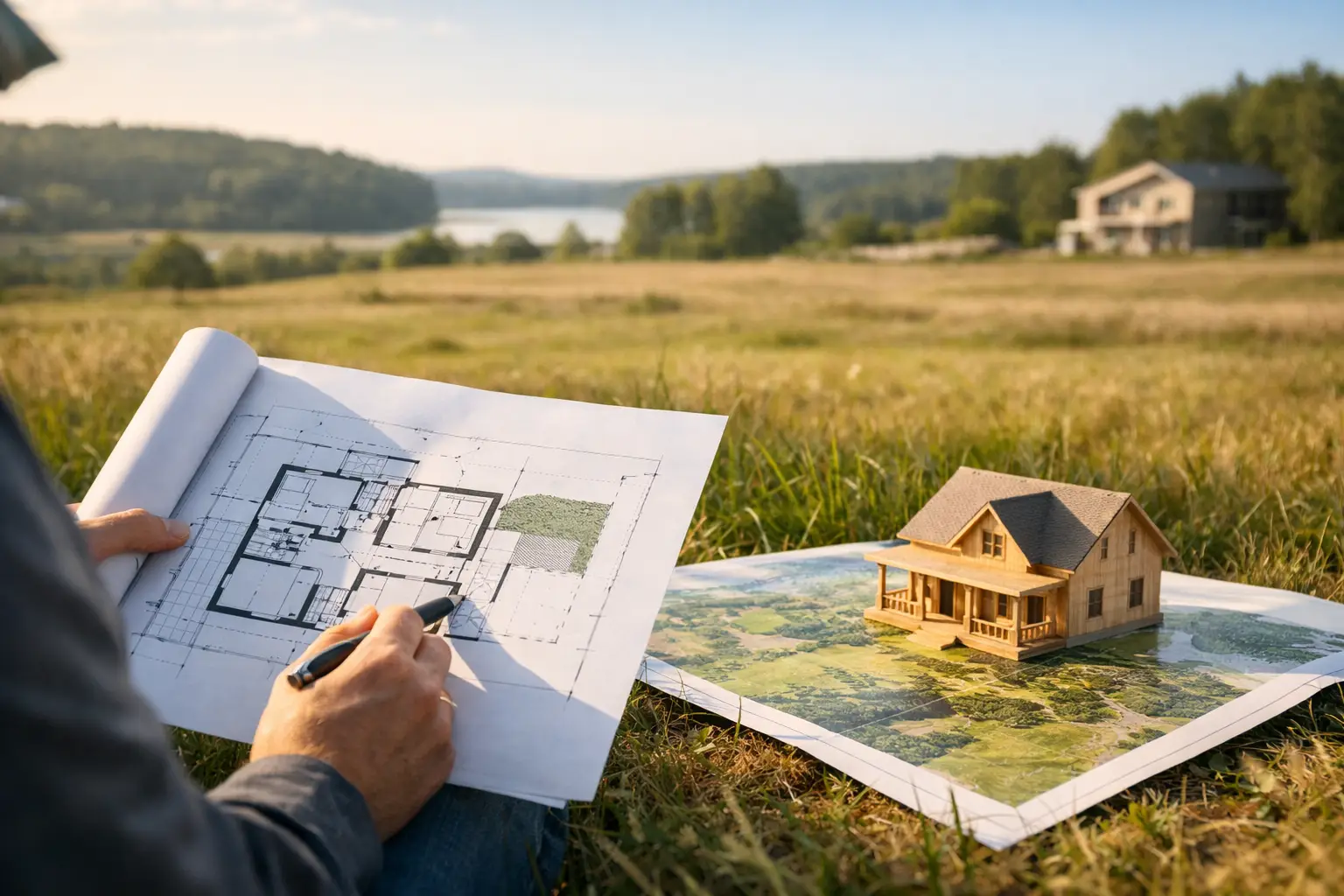
A beautiful floor plan can fall apart on the wrong lot. Buyers often fall in love with a view, a street, or a price point before they fully understand what the land will require. If you're asking how to choose land for custom home projects wisely, the real goal is not just finding an available parcel. It is finding land that supports the home you want, the lifestyle you expect, and the investment standard you are making.
For luxury buyers, land selection is where clarity matters most. A lower purchase price can quickly lose its appeal if the lot needs extensive grading, septic engineering, retaining walls, tree removal, or utility extensions. On the other hand, a premium homesite can create lasting value if it gives you stronger architecture, better privacy, and fewer compromises during construction.
How to Choose Land for Custom Home Success
The best lot is not always the biggest one or the one with the most dramatic setting. It is the one that fits your build plan with the least friction and the strongest long-term upside. That means evaluating the property as both a design opportunity and a construction site.
Start with the home you want to build. A modern estate with expansive glass, a side-entry garage, and strong indoor-outdoor flow needs a different site than a craftsman-inspired home with a walkout basement and a more traditional streetscape. If you choose land before thinking through size, layout, orientation, and outdoor living priorities, you may end up forcing the design to fit the lot instead of letting the lot enhance the design.
A strong builder can help bridge that gap early. In many cases, the right parcel becomes obvious only after someone with field experience reviews slope, setbacks, drainage patterns, and access for construction equipment.
Lot shape and usable footprint matter more than acreage
A two-acre parcel sounds generous, but not all acreage is equally buildable. Irregular lot lines, easements, stream buffers, and setback requirements can dramatically reduce the area where the home can actually sit. A smaller lot with a clean footprint may offer far more flexibility than a larger one with restrictions.
This is especially important for buyers planning a custom home with features such as a pool, detached garage, outdoor kitchen, or expanded rear terrace. Those elements need usable land, not just total land. Before moving forward, confirm how much of the site can truly support the full vision.
Topography will shape your budget
Slope is one of the biggest hidden cost drivers in custom construction. A gently sloped lot may be ideal for a basement home and natural drainage. A steep lot, however, can require more excavation, engineered foundation work, retaining walls, and more complex driveway design.
That does not mean sloped lots are bad investments. In fact, they can create some of the most striking homes, especially when they support elevated views or a walkout lower level. The key is understanding the trade-off. A dramatic homesite can justify the cost when the architecture and final value align, but it should be a deliberate choice, not a surprise discovered after closing.
Look Beyond the View
A property can photograph beautifully and still be difficult to build on. Visual appeal matters, but it should never be the only screening factor. What matters just as much is what you cannot see during a quick showing.
Utilities are a prime example. Confirm whether water, sewer, gas, power, and high-speed internet are already available at the site. If the lot requires a well or septic system, the timeline and design implications change. Septic field placement, in particular, can affect where the house, driveway, and outdoor spaces can go.
Road frontage and access also deserve close attention. A lot tucked away for privacy may sound ideal, but difficult access can complicate site work, deliveries, and emergency services. Long driveways add both elegance and cost. Sometimes that expense is worth it. Sometimes it pulls budget away from the house itself.
Zoning, covenants, and design controls
Luxury buyers often assume that if they own the lot, they can build what they want. In reality, zoning ordinances, HOA rules, and recorded covenants may shape everything from home size and setbacks to exterior materials, garage orientation, and tree removal.
This is where due diligence protects both design freedom and resale value. In some neighborhoods, architectural controls help preserve standards and support long-term pricing. In others, they may limit the style or scale you had in mind. Neither scenario is automatically good or bad. It depends on your goals.
If you are buying in an established community, review restrictions early, not after your architect has developed plans. If you are buying a private parcel outside a neighborhood setting, check county requirements just as carefully. The most attractive lot is still the wrong lot if it cannot legally support your intended home.
Drainage and soil conditions are not minor details
Water is one of the quietest threats to a home if the lot has poor drainage. Standing water, runoff from neighboring properties, creek proximity, and low-lying sections can all complicate construction and future maintenance. Soil conditions matter too, because they influence foundation strategy, grading costs, and septic feasibility.
These are not glamorous topics, but they are high-value ones. A proper site evaluation can reveal issues before they become expensive. For high-end homes, where finishes and structural expectations are elevated, land quality should meet the same standard as the home itself.
Match the Land to Your Lifestyle
A custom home should do more than look impressive. It should support the way you live every day. That means your lot should be evaluated through both a construction lens and a lifestyle lens.
Privacy is a common priority, but privacy can come from different conditions. It may come from lot width, distance from the street, mature trees, elevation change, or the orientation of neighboring homes. A parcel that feels exposed today may become quite private with the right placement and landscape design. A wooded lot may feel secluded now, but if adjacent land is undeveloped, that future context should be considered.
Sun orientation also plays a larger role than many buyers expect. Morning light in the kitchen, evening shade on the back terrace, and the position of primary living spaces all affect comfort and energy performance. If you want expansive outdoor entertaining areas, pool exposure, or walls of glass, lot orientation should be part of the conversation from the start.
Think about the neighborhood context
Even for buyers focused on the home itself, the surrounding area influences long-term enjoyment and value. Look at neighboring property quality, future development patterns, traffic flow, and the overall character of the street or community. A standout custom home performs best when the surrounding environment supports it.
In parts of Forsyth County and the greater North Atlanta market, this can be especially important because growth is active and land opportunities vary widely. A parcel that feels peaceful today may be adjacent to future development, road expansion, or commercial change. That does not automatically rule it out, but it should shape your decision.
Buildability Should Come Before Emotion
It is natural to picture the finished home when you walk a promising lot. But emotion should follow due diligence, not replace it. Before purchasing land, bring in the right professionals to test assumptions.
At minimum, that usually means involving a builder, surveyor, and where appropriate, a civil engineer or soil professional. Their early input can confirm whether the lot supports your goals or whether the site will push your budget, timeline, or design in the wrong direction.
This is where a concierge-style custom builder creates real value. Instead of asking you to sort through technical questions on your own, an experienced team can review whether the lot suits the type of home you want to create. Great Heron Homes approaches lot evaluation with that broader lens, looking beyond appearance to the practical details that shape design freedom, cost clarity, and finished value.
A smart land purchase protects the entire project
The best land decisions tend to feel calm, not rushed. They come from clear numbers, realistic site expectations, and alignment between the lot and the home you plan to build. That alignment is what protects your budget from avoidable surprises and allows the design process to move forward with confidence.
If two lots seem equally appealing, the better choice is often the one with fewer unknowns. A property with clean access, confirmed utilities, manageable grading, and a strong build envelope may deliver a better overall result than a more dramatic site with major constraints. Luxury should feel intentional from the beginning, and that starts with selecting land that supports the standard you expect.
The right lot does more than hold a house. It gives your future home the space, presence, and practicality to live up to its design.
Leave your number
and we will call you back
for a home
