
New Construction vs Resale Home: What Wins?


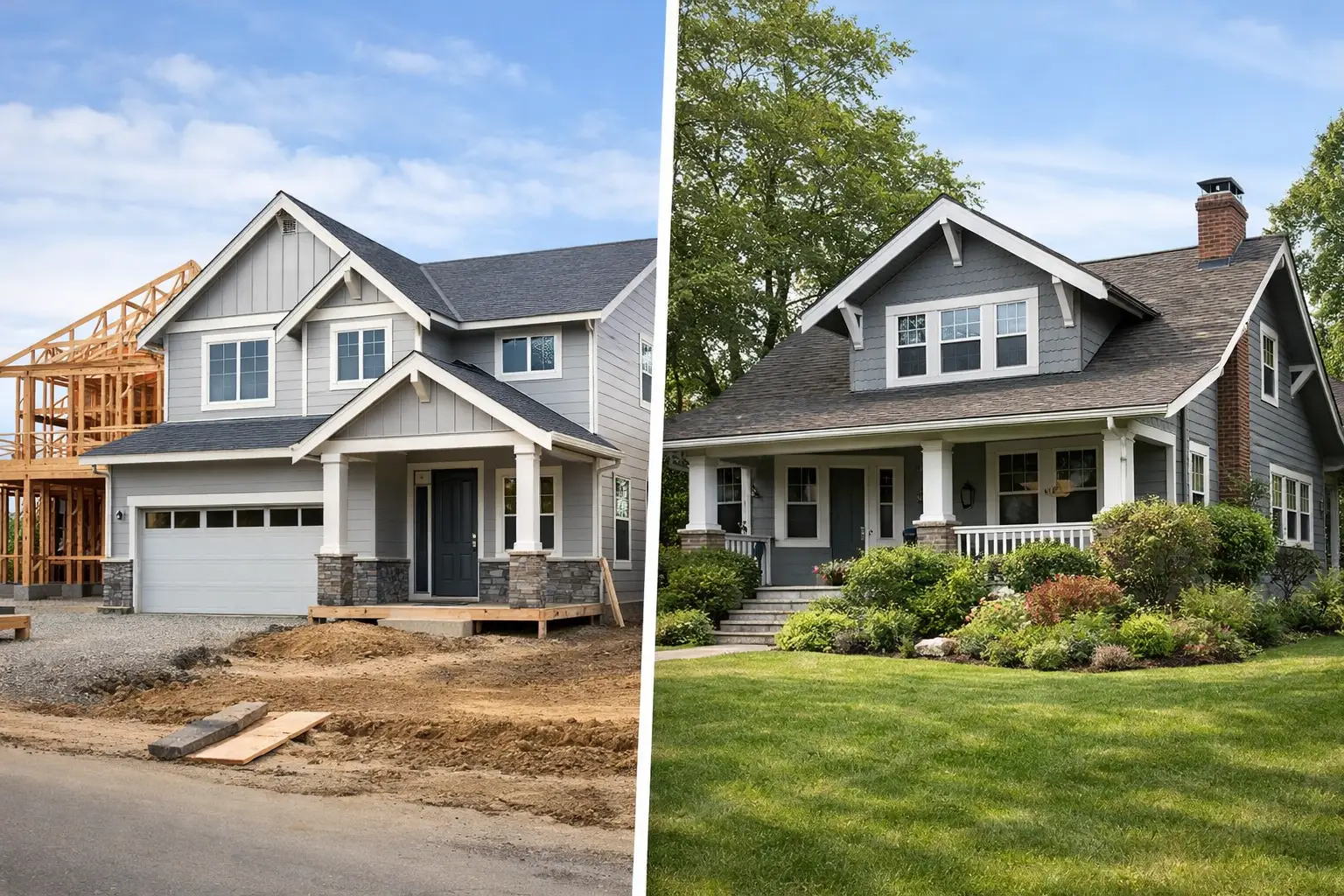
A beautiful listing can hide aging systems, awkward room flow, and years of deferred maintenance. A brand-new home can offer clean lines, modern comfort, and lower upkeep, but it also asks you to think carefully about timeline, lot, and budget. When buyers weigh new construction vs resale home options, they are usually deciding between convenience today and control over how they want to live for years to come.
For luxury buyers in North Atlanta, this choice is rarely just about square footage. It is about design standards, lifestyle fit, and how confidently you can move from contract to closing without surprises. The better decision depends on what you value most: personalization, speed, location, character, or long-term efficiency.
New construction vs resale home: the real difference
At a glance, the distinction seems simple. A resale home already exists, with finished landscaping, an established setting, and a clear sense of what you are buying on day one. New construction gives you a home that meets current building standards and often reflects how people actually live now, with open living areas, larger kitchens, better storage, and stronger energy performance.
The deeper difference is control. With resale, you are choosing from decisions someone else already made. With new construction, especially at the custom or semi-custom level, you have more influence over the floor plan, finish palette, and features that shape daily life. That control has value, but it also requires planning and patience.
Where new construction has the advantage
The strongest case for a new home is alignment. If you want your home to feel tailored to your routines, design preferences, and long-term goals, starting fresh is often the cleaner path.
A new home can be designed around the way your household actually functions. That may mean a main-level primary suite, a prep kitchen, a dedicated office, flexible guest space, wider-plank flooring, larger windows, or integrated indoor-outdoor living. In the luxury market, these are not small upgrades. They influence comfort, entertaining, and resale appeal.
There is also the matter of maintenance. In a new home, major systems, roofing, windows, insulation, and appliances begin their lifespan at move-in. That typically reduces near-term repair costs and helps create a more predictable ownership experience. For buyers who want a polished home without immediately inheriting renovation projects, that matters.
Energy performance is another meaningful advantage. New construction usually includes better insulation, modern HVAC standards, newer windows, and more efficient lighting and appliances. Over time, those details can improve comfort and lower operating costs, especially in larger homes.
Then there is aesthetic consistency. In a newly built residence, the architecture, finishes, and technology can work together from the start rather than being layered in over decades. The result often feels more intentional and refined.
Where a resale home can be the smarter buy
Resale homes continue to appeal for good reason. In some neighborhoods, especially those with mature trees, established streetscapes, and hard-to-replace lot positions, resale gives you access to locations where new building opportunities are limited.
A resale purchase also offers immediacy. You can walk through the actual home, see natural light at different times of day, evaluate room scale, and understand the neighborhood in real terms. There is less interpretation than there is with plans, selections, and allowances.
For some buyers, character is the deciding factor. Older homes may offer architectural elements, lot depth, or a setting that feels harder to replicate. If you find a well-maintained resale home with strong bones and a layout that fits your needs, it can be an efficient way to secure a desirable address without waiting through a build cycle.
There are also cases where resale can create value through selective improvement. If the home is structurally sound and well located, updating finishes over time may be more practical than building from the ground up. That approach works best when the underlying layout and site are already right.
Cost is more layered than the list price
Buyers often assume resale is automatically less expensive and new construction is automatically the premium option. In practice, the math is more nuanced.
A resale home may come with a lower initial price, but it can also carry near-term spending that does not show up in the listing. Roof replacement, aging mechanicals, window upgrades, outdated kitchens, and cosmetic renovations add up quickly. Even if the home is attractive, bringing it to your standards may require substantial capital.
With new construction, the upfront investment can be higher, especially when premium architecture, custom detailing, and elevated finishes are part of the vision. But those dollars are often going toward features you actively want rather than repairs you must make. The spending is more intentional.
Transparency matters here. A well-managed building process should give buyers a clearer view of specifications, allowances, change orders, and final scope. That does not eliminate cost decisions, but it does reduce the risk of hidden issues that commonly surface after closing on an older home.
Timeline matters more than most buyers expect
If your move is tied to school calendars, a job transition, or the sale of another property, timing can quickly become the deciding factor in new construction vs resale home choices.
A resale transaction is generally faster. Once inspections, financing, and closing are complete, you can move in on a relatively predictable schedule. That can be especially attractive for buyers who need certainty.
New construction follows a different rhythm. A move-in-ready new home offers many of the benefits of a fresh build without the full construction timeline. A custom home, on the other hand, requires coordination across land, design, permitting, selections, and construction. The result can be far more personalized, but it is not immediate.
The right question is not simply, how fast can I move? It is, how much customization is worth the time it takes to get it right?
Location, lot, and lifestyle
A home is never just the structure. The lot, neighborhood, and surrounding amenities shape daily life as much as the interior finishes.
Resale homes often sit in well-established communities where landscaping has matured and the neighborhood identity is already clear. New construction may be found in emerging communities or on private lots that offer a more tailored setting. In Forsyth County and the Lake Lanier area, this can be a major consideration. Some buyers want turnkey access to established luxury neighborhoods, while others want the opportunity to build around views, privacy, or a more custom site plan.
Lot quality can justify either path. A standout resale home on a prime lot may be hard to beat. A carefully selected homesite for new construction may offer a lifestyle that existing inventory simply cannot.
Customization sounds exciting - but it requires discipline
One of the biggest draws of new construction is choice. One of the biggest risks is also choice.
Customization works best when it is guided by an experienced builder with a clear process. Without strong planning, buyers can end up with decision fatigue, budget creep, or features that feel exciting in theory but less useful in practice. The best building experience is not about endless options. It is about making smart ones.
That is why process matters so much in the luxury segment. A builder who can help with land evaluation, design coordination, pricing clarity, construction oversight, and final delivery brings more than craftsmanship. They bring structure to a complex investment.
A resale purchase is simpler in this regard. You choose what is already there, then decide later what is worth changing. For buyers who prefer a narrower decision set, that simplicity can be appealing.
Which option holds value better?
There is no universal winner. Resale value depends on market conditions, location, floor plan, architectural quality, and how well the home matches buyer expectations at the time of sale.
New construction can perform well because modern layouts, energy efficiency, and updated finishes tend to attract future buyers. But not every new home is equal. Quality of construction, design discipline, and neighborhood positioning matter.
Resale homes can also hold value exceptionally well, especially in sought-after locations with limited inventory. But if a home requires major updates to compete with newer product, that can affect both demand and pricing.
The strongest long-term investment is usually the home that combines a great lot, enduring design, solid construction, and features people will still want years from now.
How to decide with confidence
If you want a home that reflects your taste, minimizes early maintenance, and supports modern living from day one, new construction is often the stronger fit. If you value immediate availability, established surroundings, and the ability to see exactly what you are buying, resale may be the better move.
For many luxury buyers, the real answer sits in the middle. A move-in-ready new home offers the ease of a finished purchase with the benefits of current design and construction. A custom build offers the highest level of personalization if the timeline and budget support it. Great Heron Homes works in that space because many buyers want both elevated design and a process that feels organized from start to finish.
The best home is not the one that wins the debate on paper. It is the one that fits how you want to live, what you want to avoid, and where you want your investment to take you next.
Leave your number
and we will call you back
for a home
